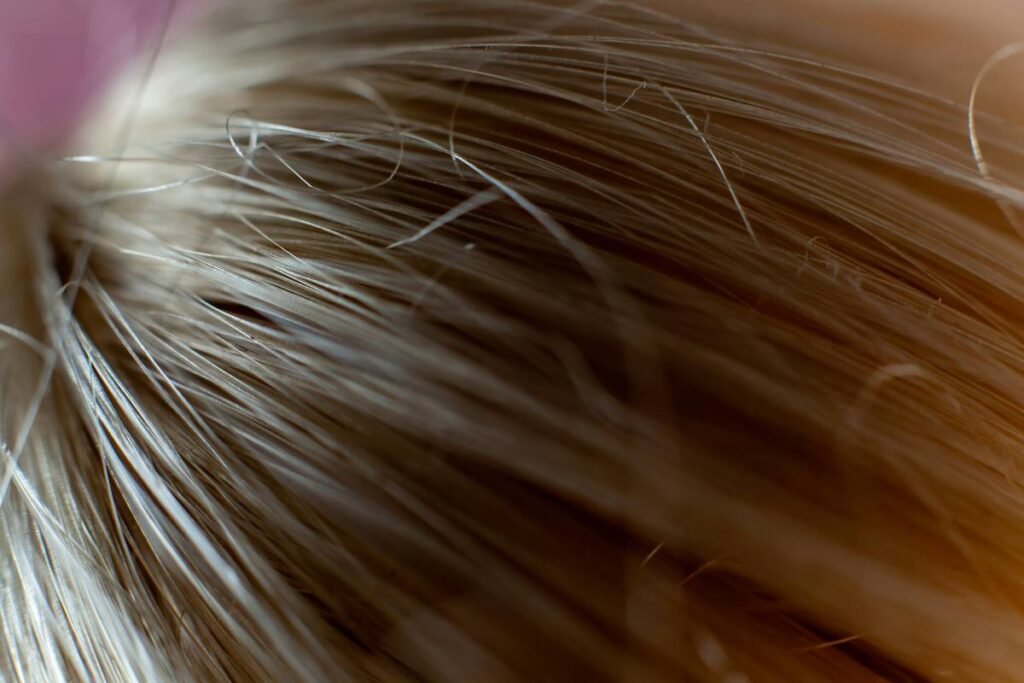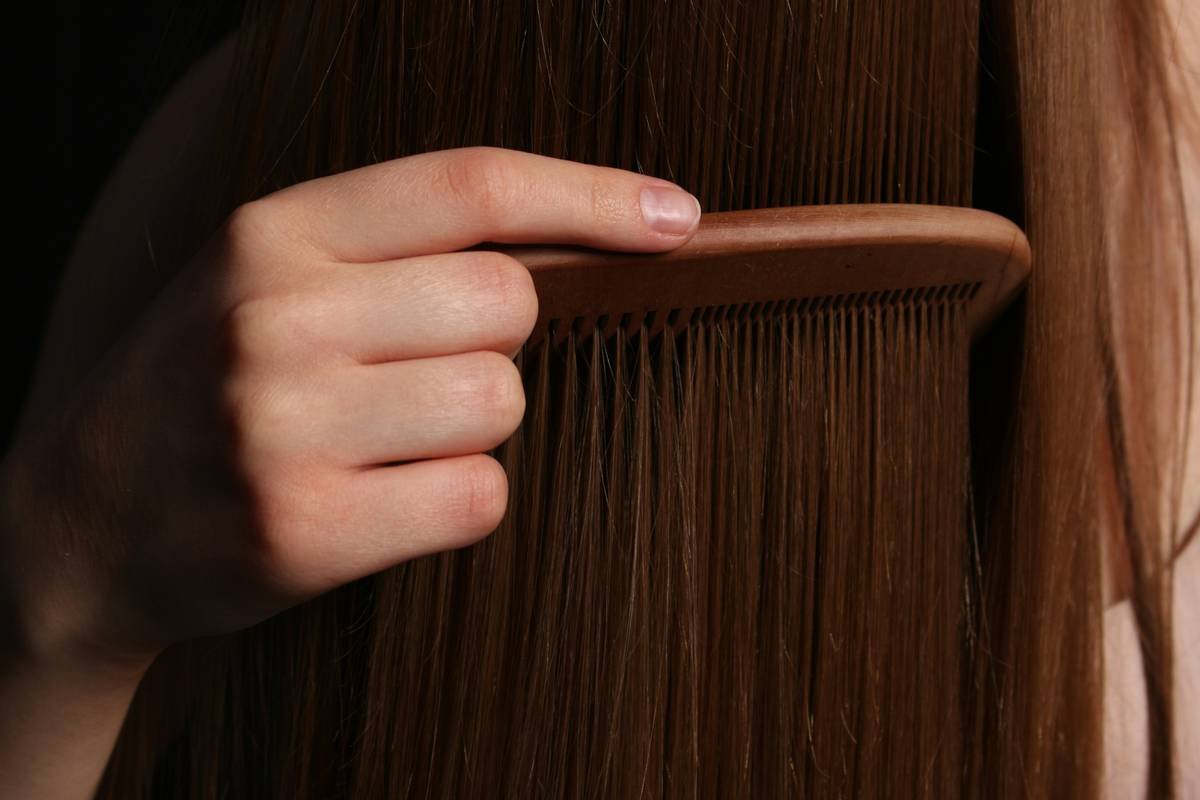
Ever stared at your split ends in the mirror and thought, “Was it the bleach or my questionable flat-iron habit?” You’re not alone. Hair damage is a universal struggle, affecting over 70% of people who frequently style their hair. But here’s the good news: deep conditioning treatments are a game-changer for hair damage repair. This guide will walk you through everything you need to know—from understanding the root causes of damage to mastering the art of deep conditioning like a pro.
Table of Contents
- Why Does Hair Get Damaged?
- Step-by-Step Guide to Deep Conditioning for Hair Damage Repair
- Top Tips for Maximizing Your Deep Conditioning Routine
- Real Results: Success Stories from People Who Fixed Their Hair Damage
- FAQs About Hair Damage Repair and Deep Conditioning
Key Takeaways:
- Hair damage stems from heat styling, chemical treatments, environmental factors, and neglect.
- Deep conditioning treatments can restore moisture, strengthen strands, and improve overall health.
- Incorporate these treatments into your routine weekly or bi-weekly for best results.
- Pair deep conditioning with other protective practices, such as minimizing heat exposure.
Why Does Hair Get Damaged?
Let’s get real: your hair goes through more than just water and shampoo. I once bleached my locks three times in one week (don’t ask) and ended up with hair so brittle it snapped while brushing. That was the wakeup call I needed to dive into why this happens.
Here are the main culprits:
- Heat Styling: Flat irons, curlers, and blow dryers strip natural oils.
- Chemical Treatments: Dyes, perms, and relaxers weaken the protein structure of hair.
- Environment: Sun exposure, pollution, and harsh weather conditions sap moisture.
- Neglect: Skipping conditioner or using subpar products leaves hair vulnerable.
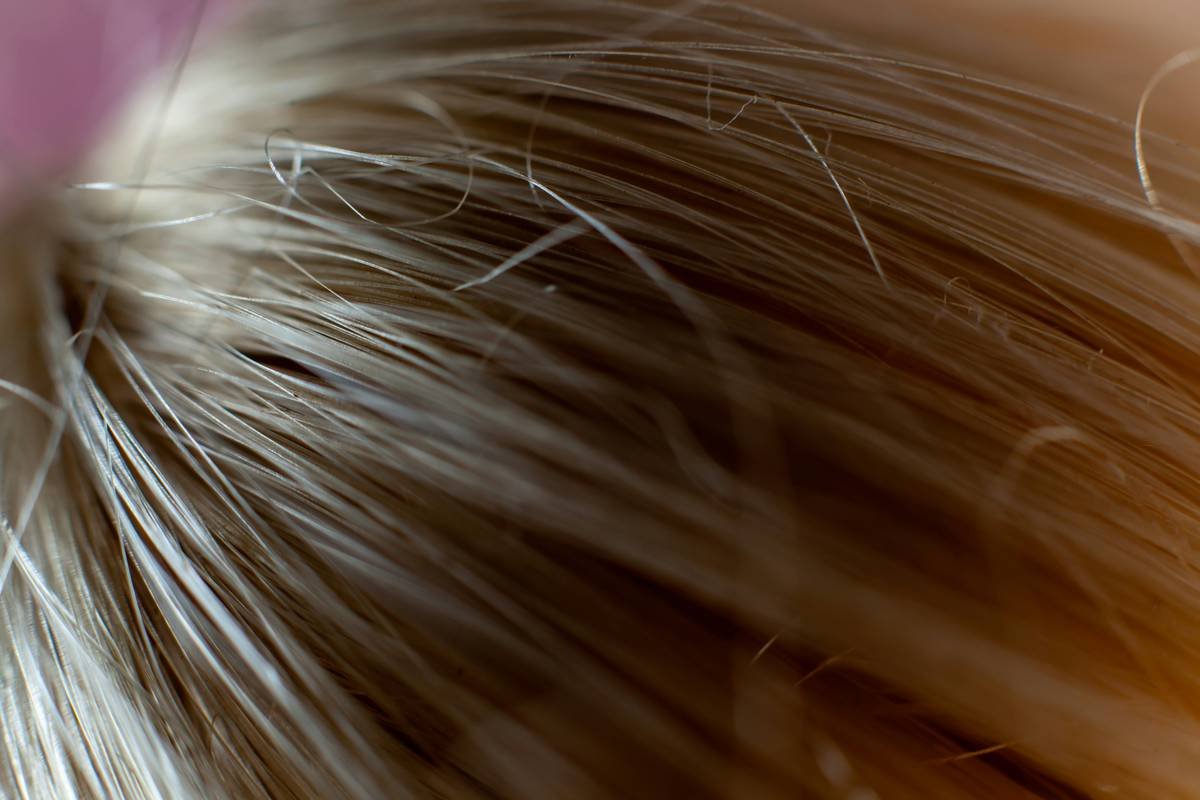
Step-by-Step Guide to Deep Conditioning for Hair Damage Repair
Optimist You:
“Follow these steps and say goodbye to damaged hair!”
Grumpy You:
“Fine—but only if we can eat snacks during all this waiting around.”
To give your hair some serious TLC, follow this step-by-step guide:
- Start Clean: Wash your hair with a gentle sulfate-free shampoo to remove buildup without stripping natural oils.
- Apply the Mask Evenly: Use a generous amount of deep conditioner, focusing on mid-lengths and ends where damage accumulates most.
- Cover It Up: For maximum penetration, wrap your hair in a warm towel or use a shower cap to trap heat.
- Wait Time is Key: Leave the treatment on for 20-30 minutes—don’t rush it! Pro tip: Multitask by catching up on skincare routines.
- Rinse Thoroughly: Rinse with cool water to seal cuticles for extra shine.
Top Tips for Maximizing Your Deep Conditioning Routine
Listen up, because these tips will take your deep conditioning sessions from okay to holy-grail status:
- Ditch the Daily Wash: Overwashing dries out hair faster. Aim for washing every 2-3 days.
- DIY Boosters Work Wonders: Add ingredients like honey or coconut oil to store-bought masks for an extra hydration kick.
- Avoid Terrible Tip Alert – Don’t Skip Heat Protection: Even after repairing your hair, avoid skipping heat protectants when styling—it undoes progress faster than you think.
- Experiment with Overnight Masks: If time permits, leave a nourishing mask overnight (with a silk bonnet) for deeper absorption.
Real Results: Success Stories from People Who Fixed Their Hair Damage
Sarah, a 28-year-old hairstylist, swears by her weekly DIY avocado-and-yogurt mask combo paired with professional-grade salon treatments. After six months, she noticed visibly fewer split ends and softer texture.
Another example? James, who went full-on bleach bombshell last summer but saved his hair with consistent deep conditioning every other week. His before-and-after pics speak volumes.
FAQs About Hair Damage Repair and Deep Conditioning
Q1: How often should I deep condition?
Depending on your hair type, aim for once a week for severely damaged locks and every two weeks for maintenance.
Q2: Can I make DIY deep conditioners?
Absolutely! Ingredients like argan oil, banana mash, and shea butter work wonders.
Q3: Will this fix heat-induced damage completely?
While deep conditioning helps repair, avoiding future damage is equally important.
Conclusion
Hair damage repair isn’t rocket science—it’s all about consistency, quality products, and patience. With deep conditioning treatments as part of your regimen, you’ll be flaunting healthier, shinier locks in no time.
Final thought haiku for ya:
Split ends fade away,
Moisture seeps back in slow waves,
Hair shines like the stars.