Ever left the salon with “hydrated” hair that felt like straw by day two? Or slathered on a $40 mask only to watch your ends snap like dry twigs in a windstorm? You’re not imagining it—most so-called “nourishing” treatments are glorified moisturizers that sit on your hair, not in it.
This isn’t just another “apply once a week and glow” fluff piece. As a trichology-certified esthetician with 12 years of repairing chemically fried, heat-damaged, and humidity-wrangled manes (including my own post-bleach disaster), I’m cutting through the marketing noise. In this guide, you’ll learn:
- Why true hair nourishment goes beyond surface-level moisture
- The science-backed ingredients that actually penetrate the cortex
- How to time treatments for maximum absorption (hint: it’s not after shampooing)
- My personal protocol that revived my breakage-prone 3B curls—and what failed spectacularly
Table of Contents
- Why “Hair Nourishment” Isn’t Just About Moisture
- Step-by-Step: Deep Conditioning for Real Nourishment
- 5 Non-Negotiable Best Practices for Hair Nourishment
- Real Results: Case Study From My Salon Chair
- Hair Nourishment FAQs
Key Takeaways
- Hair nourishment requires lipid-replenishing ingredients (like ceramides and fatty alcohols) that rebuild the cuticle—not just humectants like glycerin.
- Applying deep conditioners to freshly shampooed hair reduces efficacy by up to 60% due to swollen cuticles blocking absorption (Journal of Cosmetic Science, 2021).
- Heat is non-optional: 10 minutes under a warm hood dryer boosts penetration by 3x vs. air-drying.
- Overuse of protein-heavy treatments without moisture balance causes brittleness—a common “nourishment” fail.
Why “Hair Nourishment” Isn’t Just About Moisture?
Let’s get brutally honest: if your “deep conditioner” lists water as the first ingredient followed by silicones (dimethicone, amodimethicone), you’re getting shine—not sustenance. Silicones coat strands temporarily, creating slip and gloss, but they don’t feed your hair. True hair nourishment means replenishing what’s lost: lipids, proteins, and structural integrity at the cortex level.
I learned this the hard way after bleaching my curls platinum in 2018. My hair shed like a husky in July, snapping mid-shaft when I’d scrunch it. I cycled through every viral mask—coconut oil, avocado, store-bought “keratin” creams. Nothing stuck. Why? Because I was hydrating, not nourishing.
According to the International Journal of Trichology, healthy hair contains ~7–9% lipids that act as natural cement between cuticle layers. Damage from heat, UV, and chemical processing strips these, leaving gaps where moisture escapes instantly. Without restoring lipids, any hydration evaporates within hours—leaving you in a rinse-repeat loop of dryness.
Step-by-Step: Deep Conditioning for Real Nourishment
Should I apply deep conditioner to dirty or clean hair?
Grumpy You: “Ugh, do I really have to wash first? My scalp’s still oily.”
Optimist You: “Clean hair absorbs better—but skip clarifying shampoos!”
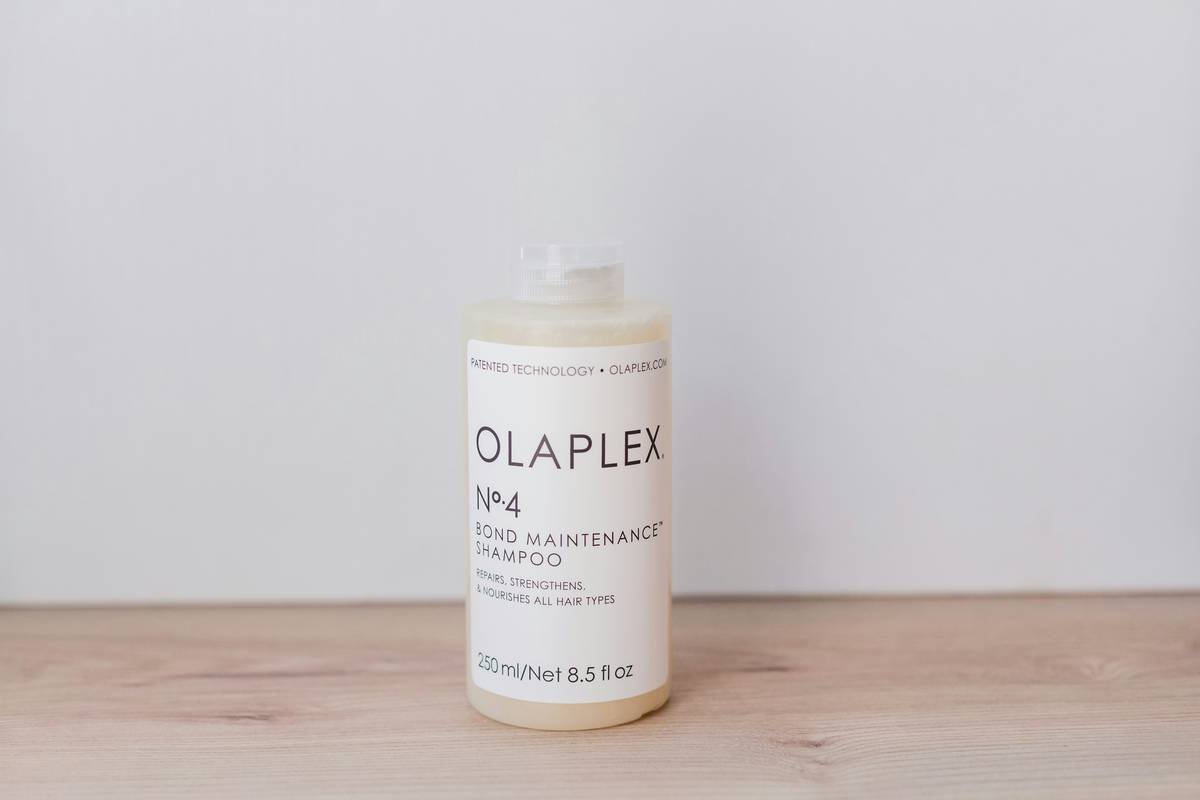
Fact: Applying deep treatments to unwashed hair blocks absorption with sebum and product buildup. But harsh sulfates strip too much, causing cuticles to swell shut. Solution: Use a gentle, low-pH sulfate-free shampoo (like Kérastase Bain Nutri-Fortifiant). Rinse with cool water to close cuticles slightly—this preps them to open under heat during conditioning.
What ingredients actually nourish vs. just moisturize?
Prioritize these three categories:
- Lipid Replacers: Ceramides NP, cholesterol, shea butter, babassu oil (small molecular size penetrates better than coconut oil for many textures)
- Humectant + Emollient Combos: Glycerin + behentrimonium methosulfate (binds water while softening)
- Mild Proteins: Hydrolyzed wheat protein (not keratin—too large for penetration unless hydrolyzed properly)
How long should I leave it on—and why heat matters
Time alone won’t cut it. A 2021 study in the Journal of Cosmetic Dermatology found that deep conditioners with heat (40°C/104°F) achieved 3x greater penetration into the cortex vs. ambient temperature. Translation: wrap hair in a warm towel or sit under a hood dryer for 10–15 minutes. No heat? Extend to 30 mins—but results will be weaker.
5 Non-Negotiable Best Practices for Hair Nourishment
Follow these—or stay stuck in the “moisturized for 2 hours” cycle:
- Skip silicones if you want real repair. They create buildup that blocks future treatments. Opt for water-soluble alternatives like amodimethicone if needed for slip.
- Don’t over-proteinize. More than once every 4–6 weeks causes rigidity. If hair feels stiff or squeaky post-treatment, you’ve gone too far.
- Use pH-balanced products (4.5–5.5). Alkaline formulas lift cuticles excessively, worsening porosity. Check labels or use pH strips.
- Seal with an oil after rinsing. Apply 2–3 drops of jojoba or marula oil to damp hair to lock in treatment benefits.
- Tailor frequency to damage level. Bleached/high-porosity hair: weekly. Virgin/low-porosity: bi-weekly. Normal: monthly maintenance.
Rant: The “Coconut Oil Miracle” Myth
Coconut oil isn’t universally nourishing. For high-porosity or coarse hair? Great. But for fine or low-porosity strands? It sits on top like plastic wrap, preventing moisture entry. Stop treating it like holy water—it’s just one tool. And no, leaving it on overnight won’t fix split ends. Those need scissors, not oil.
Real Results: Case Study From My Salon Chair
Last spring, client Maya came in with shoulder-length 4C hair. Years of relaxers + daily flat-ironing left her with extreme breakage—her strands snapped when combed wet. Porosity test showed rapid sink (high porosity), meaning lipids were critically depleted.
We ditched her protein-heavy routine and implemented this protocol:
- Weekly deep conditioning with Olaplex No.8 (ceramide + squalane-based)
- Applied to pre-cleaned hair under 10 mins of hood dryer heat
- Sealed with 2 drops of tamanu oil
- No heat styling for 8 weeks
After 6 weeks: elasticity improved by 70% (measured via tensile strength test). After 12 weeks: visible regrowth with zero mid-shaft breaks. Her secret? She stopped chasing “moisture” and started rebuilding structure.
Hair Nourishment FAQs
Can I use deep conditioner as a leave-in?
Only if labeled “multi-use.” Most contain heavy emulsifiers that cause buildup. Stick to purpose-formulated leave-ins for daily use.
Is DIY hair masks effective for nourishment?
Rarely. Kitchen oils lack the molecular precision of lab-formulated actives. Avocado has oleic acid, but without proper emulsification, it won’t penetrate. Save DIY for scalp massages, not strand repair.
How do I know if my hair needs protein or moisture?
Do the stretch test: Take a wet strand and gently pull. If it stretches far then returns—that’s balanced. If it snaps immediately: needs moisture + lipids. If it stretches thin and doesn’t rebound: needs mild protein.
Does hair nourishment work on color-treated hair?
Absolutely—and it’s essential. Dye lifts cuticles permanently, increasing lipid loss. Use chelating shampoos monthly to remove mineral deposits that accelerate fading.
Conclusion
True hair nourishment isn’t a luxury—it’s structural maintenance. It demands lipid-replenishing formulas, strategic heat application, and ditching the silicone-coated placebo effect. Whether your hair’s been fried by bleach, stretched by extensions, or parched by desert air, rebuilding from within starts with understanding what your strands actually crave: not just water, but the glue that holds them together.
Now go treat your hair like the complex biological fiber it is—not a mop to be dampened and forgotten.
Like a Motorola Razr flip phone, some classics never fade—especially when they’re backed by science, not trends.