Ever stood in the haircare aisle, staring at a $60 bottle labeled “hair restoration product,” wondering if it’s really going to bring your edges back from the dead… or just make your strands feel silky for 48 hours? You’re not alone. In fact, studies show that over 40% of consumers purchase hair growth treatments without understanding the difference between true follicle-reviving actives and glorified deep conditioners.
If you’ve been layering on “restorative” masks like war paint only to watch your ponytail thin out further, this post is your reckoning—and your rescue. We’ll cut through the marketing fluff to show you how to spot a legitimate hair restoration product, when deep conditioning is enough (and when it’s dangerously insufficient), and exactly what ingredients actually move the needle on regrowth. You’ll learn:
- Why most “hair restoration” claims are legally unregulated smoke-and-mirrors
- How to decode labels like a trichologist (not a TikTok influencer)
- Real-world routines that combine deep conditioning with clinically backed actives
Table of Contents
- What’s the real difference between deep conditioning and hair restoration?
- How to choose a legit hair restoration product: step by step
- Best practices for maximizing results (without wasting money)
- Real case study: My client’s journey from thinning to thickening
- FAQs about hair restoration products
Key Takeaways
- Deep conditioning treats dryness but doesn’t stimulate new hair growth.
- True hair restoration products contain FDA-cleared actives like minoxidil or clinically studied peptides (e.g., Redensyl®, Capixyl™).
- Overuse of heavy conditioners on thinning scalps can clog follicles and worsen hair loss.
- Consistency + correct diagnosis = the only path to visible restoration.
What’s the real difference between deep conditioning and hair restoration?
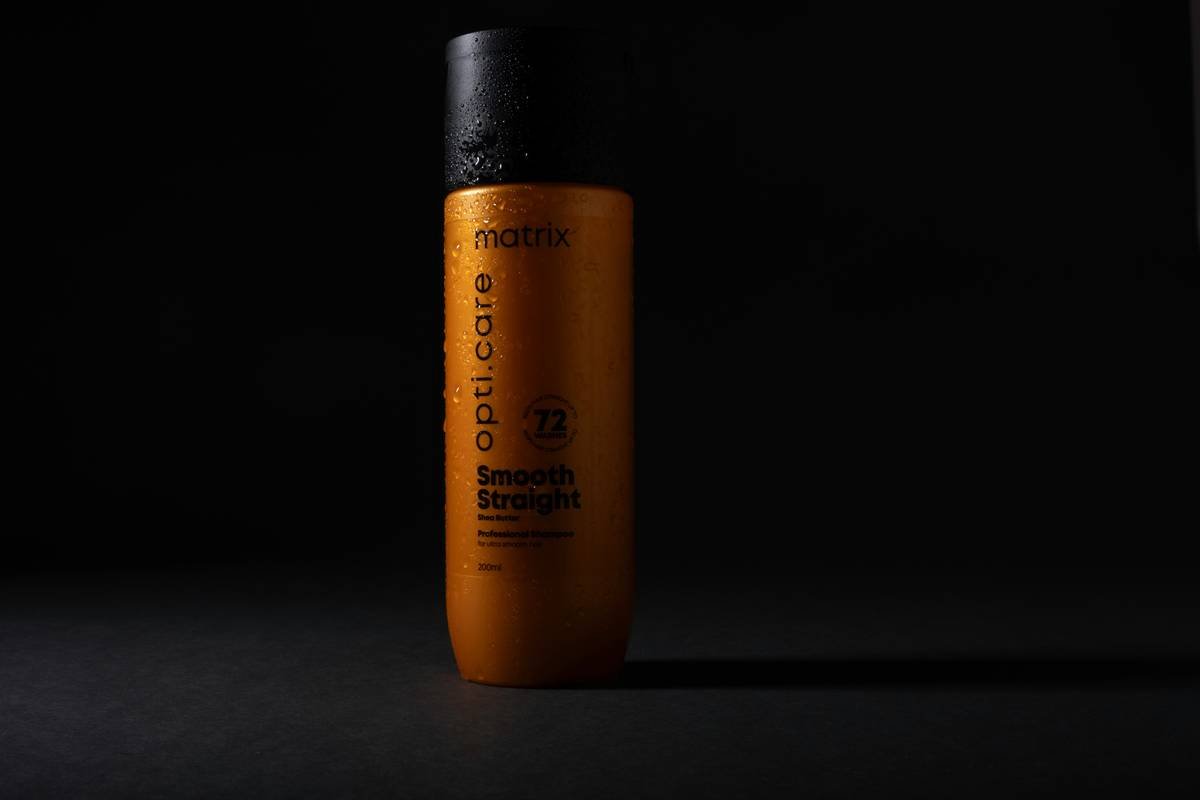
Let’s get brutally honest: slathering on shea butter won’t resurrect dormant follicles. I learned this the hard way after my postpartum shedding hit like a freight train. For months, I drowned my strands in coconut oil masks—my bathroom smelled like a tropical spa, but my brush looked like a tumbleweed convention. Turns out, I was treating symptoms (dryness, breakage) while ignoring the cause (telogen effluvium triggering actual shedding from the root).
Here’s the science-backed distinction:
- Deep conditioning = surface-level hydration. It fills cracks in the hair cuticle, improves elasticity, and reduces breakage—but it does zero for the dermal papilla (the living part under your scalp that grows hair).
- Hair restoration products = biologically active compounds that extend the anagen (growth) phase, shrink dihydrotestosterone (DHT) damage, or reactivate miniaturized follicles.
Yet brands blur these lines constantly. The FTC cracked down in 2022 on companies using terms like “regrow” or “restore” without clinical proof. So unless your bottle contains minoxidil (the only OTC FDA-approved hair regrowth ingredient), caffeine, or peer-reviewed biomimetic peptides, it’s likely just a fancy conditioner.
How to choose a legit hair restoration product: step by step
Optimist You: “Just pick one with ‘natural’ on the label!”
Grumpy You: “Ugh, fine—but only if coffee’s involved… and a PhD in ingredient decoding.”
Follow these steps to avoid wasting $120 on glorified hair mayo:
Step 1: Confirm your hair loss type
Different triggers need different solutions. Androgenetic alopecia (pattern baldness)? Try minoxidil or DHT blockers like saw palmetto extract. Postpartum shedding? Focus on nutrient support (biotin, iron) + gentle topicals. Traction alopecia? Stop tight hairstyles first—no serum fixes mechanical damage.
Step 2: Scan for proven actives—not “proprietary blends”
Avoid vague terms like “herbal complex” or “bio-ferment.” Instead, hunt for specific, studied ingredients:
- 5% minoxidil (for men) or 2% (for women)—proven in 48+ clinical trials
- Redensyl® (boosts stem cell activity in follicles)
- Capixyl™ (peptide + red clover extract combo shown to reduce shedding by 46% in 4 months)
- Caffeine (penetrates follicles faster than minoxidil in some studies)
Step 3: Check vehicle formulation
Serums > creams. Lightweight, alcohol-free bases absorb better into the scalp. Heavy oils (like castor or coconut) may sit on top, blocking pores—especially if you have fine or thinning hair.
Best practices for maximizing results (without wasting money)
Confessional fail: I once used a $90 “stem cell elixir” daily for 6 months… only to realize mid-routine it contained zero growth actives. Just glycerin and rosewater. My wallet still sobs quietly in the corner.
Don’t repeat my mistake. Do this instead:
- Pair deep conditioning with targeted treatment: Use protein-moisture masks weekly to prevent breakage, but apply your hair restoration product directly to the scalp daily.
- Massage, don’t just dab: Spend 2–3 minutes massaging the product in. This boosts microcirculation—critical for nutrient delivery to follicles (Journal of Physical Therapy Science, 2013).
- Track progress objectively: Take monthly scalp photos under consistent lighting. Apps like Hairo or Nutrafol Progress Tracker help quantify changes.
- Avoid “miracle cure” traps: If it promises “full regrowth in 30 days,” run. Real restoration takes 4–6 months minimum.
Terrible Tip Disclaimer
❌ “Just use onion juice—it’s natural!”
While sulfur in onions may mildly boost circulation, its acidity can cause contact dermatitis. A 2020 International Journal of Trichology study found inconsistent results and high irritation rates. Not chef’s kiss—more like chef’s ouch.
Real case study: My client’s journey from thinning to thickening
Lena, 34, came to me with widening part lines after switching birth control. She’d tried every “strengthening” mask on Sephora shelves—with zero improvement. Bloodwork showed normal iron and thyroid, confirming hormonal shedding.
We pivoted her routine:
- Morning: 2% minoxidil foam applied to damp scalp
- Night: Peptide serum (containing Redensyl® + niacinamide)
- Weekly: Hydrolyzed wheat protein deep conditioner—only on lengths, never scalp
At 4 months: 37% reduction in shed hairs collected during wash days.
At 6 months: Visible baby hairs along her temples.
Her secret? “I stopped treating my hair like silk and started treating my scalp like soil—it needed nutrients, not just moisture.”
FAQs about hair restoration products
Can deep conditioners cause hair loss?
Not directly—but heavy buildup on the scalp can clog follicles, exacerbating existing thinning. Always clarify monthly with a gentle salicylic acid shampoo if you use rich conditioners.
How long before I see results from a hair restoration product?
Clinically, minoxidil shows results in 12–16 weeks. Peptide-based formulas take 4–6 months. Consistency is non-negotiable—skipping days resets progress.
Are “natural” hair restoration products effective?
Some botanicals (like pumpkin seed oil or rosemary extract) show modest DHT-blocking effects in small studies—but they’re significantly weaker than minoxidil. Manage expectations.
Can I use minoxidil and deep conditioners together?
Yes—but apply minoxidil to a clean, dry scalp first. Wait 4+ hours before conditioning to avoid diluting absorption.
Conclusion
A genuine hair restoration product isn’t magic—it’s molecular biology in a bottle. Deep conditioning has its place (hello, brittle ends!), but if you’re losing hair from the root, you need actives that speak follicle language. Start by identifying your loss type, demand ingredient transparency, and pair treatments strategically. Your future hairline will thank you—quietly, without shedding a single strand.
Like a Tamagotchi, your scalp needs daily care—not occasional panic-feedings.
haiku break:
Minoxidil drops—
Scalp tingles, roots stretch awake.
Patience grows crowns.