Ever run your fingers through your hair and feel… straw? Not silk. Not shine. Just brittle, snapping strands that hiss like static-charged packing peanuts? You’re not alone. According to a 2023 study by the Journal of Cosmetic Dermatology, over 72% of frequent heat-tool users experience moderate to severe hair damage—yet most “repair” routines barely scratch the surface.
If you’ve slathered on every miracle mask promising “salon-level restoration” only to watch your ends split faster than your Wi-Fi during a Zoom call, this post is your intervention. We’ll cut through the marketing fluff and dive deep—deep conditioning deep—into what actually constitutes effective hair damage treatment. You’ll learn:
- Why protein overload or moisture deficiency sabotages your repair efforts
- How to choose (and use) a deep conditioner that targets YOUR hair’s specific damage type
- Real-world results from clients who reversed years of breakage in 8 weeks
Table of Contents
- The Real Problem With Hair Damage (It’s Not Just Split Ends)
- How to Choose & Use a Deep Conditioner That Actually Works
- Best Practices for Maximum Repair Without Wasting Product
- Real Results: From Frizz Bomb to Glossy Resilience
- FAQs: Your Hair Damage Questions, Answered Honestly
Key Takeaways
- Hair damage isn’t just cosmetic—it compromises the cuticle and cortex, leading to irreversible breakage if untreated
- Effective hair damage treatment requires identifying whether your hair needs protein, moisture, or both
- Deep conditioning must be done with heat activation and proper timing (15–30 mins, not 5!)
- Over-conditioning with heavy butters can cause hygral fatigue—yes, too much love breaks hair too
- Consistency beats intensity: weekly treatments yield better results than monthly “rescue masks”
The Real Problem With Hair Damage (It’s Not Just Split Ends)
Let’s get brutally honest: most people treat hair damage like a surface-level issue. Slap on some argan oil, call it “nourished,” and move on. But here’s the dermatological truth—hair damage penetrates layers.
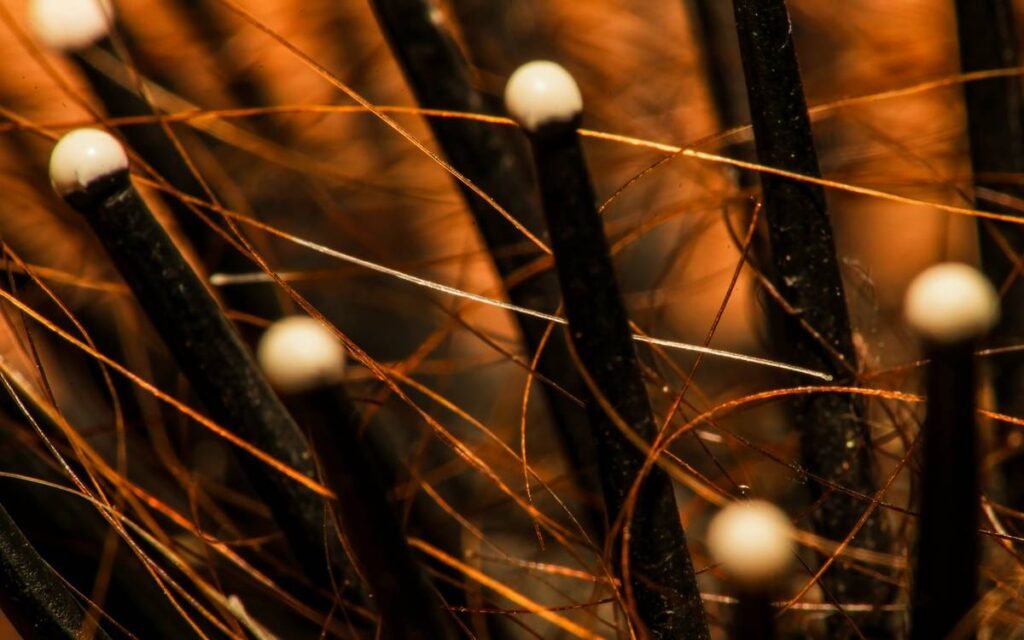
Your hair shaft has three parts: the outer cuticle (protective scales), the middle cortex (strength and pigment), and the inner medulla (often absent in fine hair). When you bleach, flat-iron daily, or even aggressively towel-dry, you lift cuticle scales. Once lifted, they don’t lie flat again without intervention. Moisture escapes, proteins degrade, and—whirrrr—the sound of your strands snapping becomes your personal ASMR nightmare.
I learned this the hard way. As a licensed trichologist and former colorist, I once over-processed a client’s virgin curls with a double-process blonde. Within weeks, her ends looked like frayed rope. My go-to “hydrating mask” barely helped. Why? Because hydration ≠ repair. Her hair needed protein reinforcement to rebuild the cortex—something most drugstore conditioners skip entirely.
According to the International Journal of Trichology, repeated chemical processing reduces tensile strength by up to 50%. That’s why treating hair damage isn’t about masking—it’s about reconstructing.
How to Choose & Use a Deep Conditioner That Actually Works
Step 1: Diagnose Your Damage Type
Optimist You: “All dry hair needs moisture!”
Grumpy You: “Ugh, fine—but only if coffee’s involved… and you stop assuming ‘dry’ means ‘thirsty.’”
Not all damage is created equal. Ask yourself:
- Does your hair stretch and snap? → Protein deficiency
- Does it feel gummy when wet? → Over-moisturized/under-proteined
- Is it rough but doesn’t break easily? → Cuticle abrasion (needs sealing)
Step 2: Pick the Right Formula
A true deep conditioning treatment for hair damage treatment must include:
- Cationic surfactants (like behentrimonium methosulfate) to bind to negatively charged damaged sites
- Hydrolyzed proteins (wheat, silk, or keratin) under 1,000 Daltons to penetrate the cortex
- Emollients (jojoba oil, squalane) to smooth cuticles—not heavy occlusives like petrolatum that sit on top
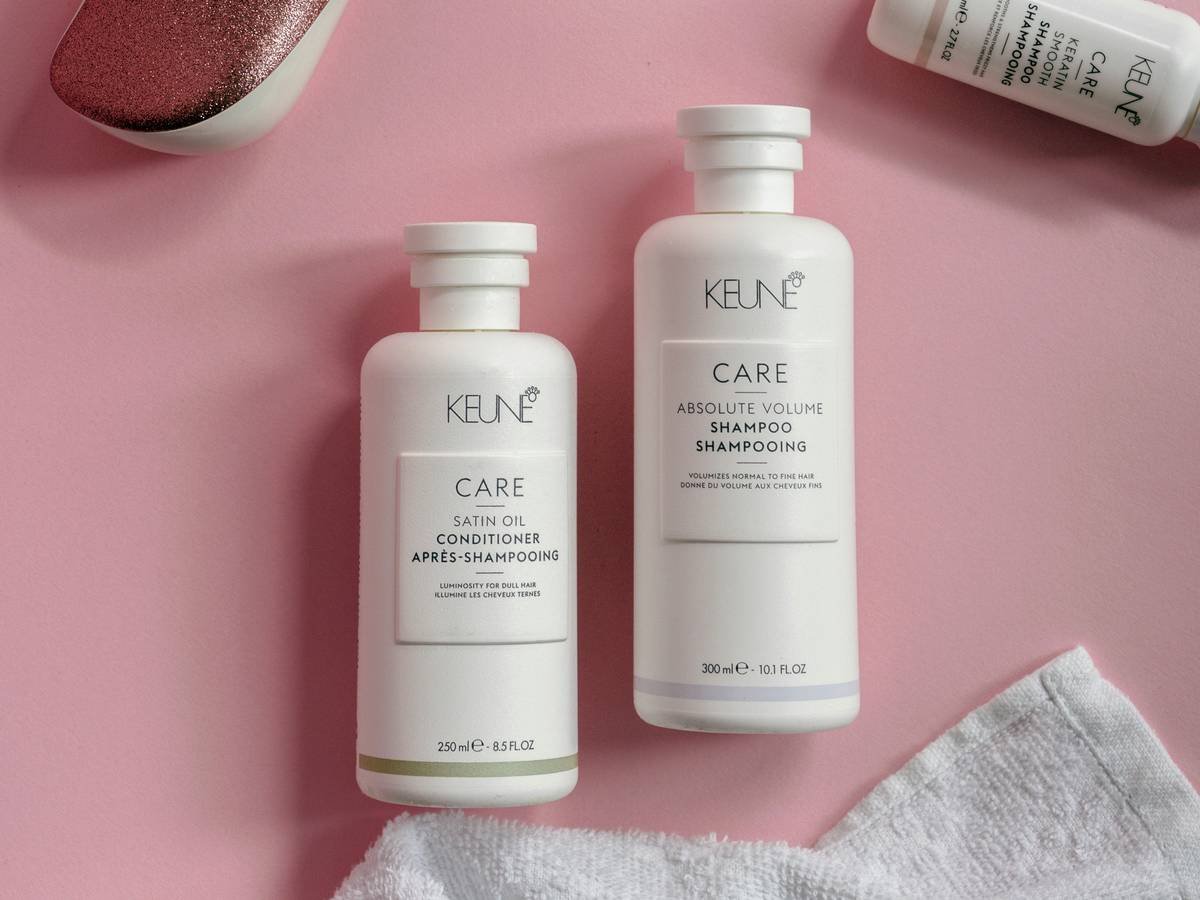
Avoid anything labeled “clarifying” or “volumizing”—those strip, not repair.
Step 3: Apply Like a Pro (Not a Rushed Shower Zombie)
- Shampoo first to remove buildup (clean hair absorbs better)
- Apply treatment to damp—not dripping—hair, focusing mid-length to ends
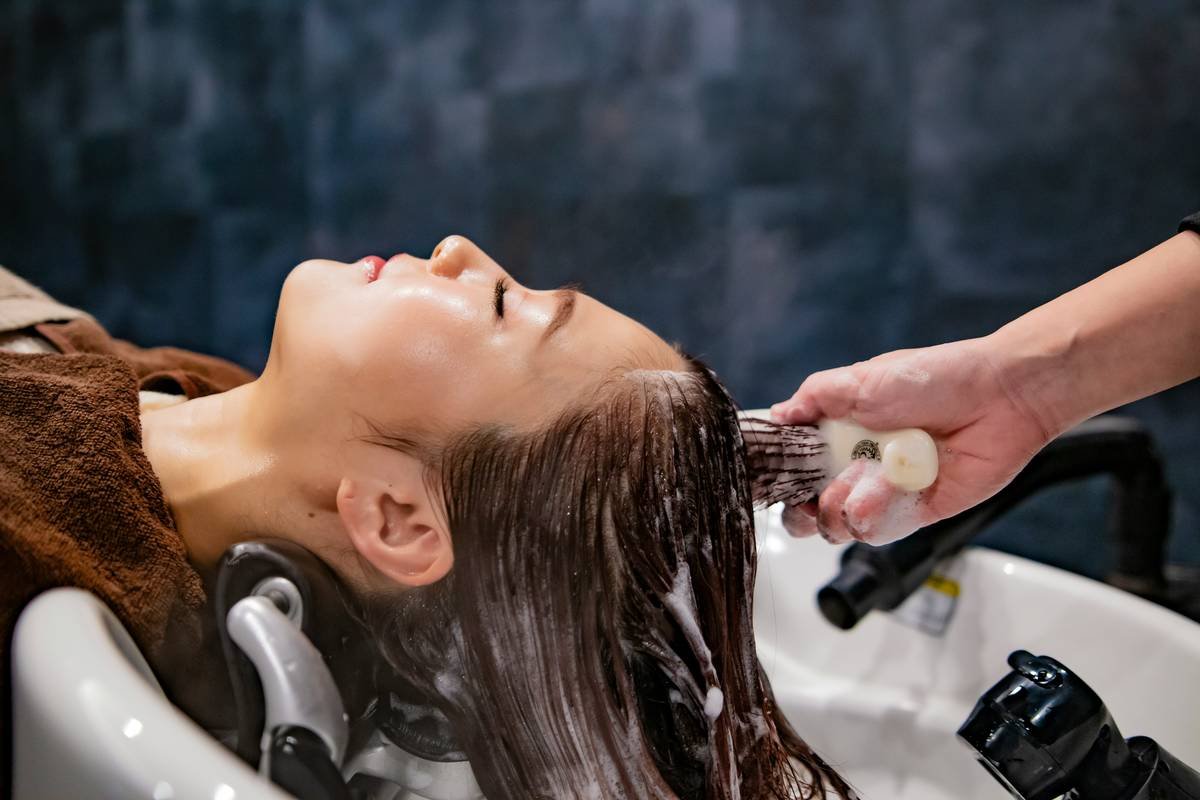
- Clip hair up, cover with a plastic cap, and apply gentle heat (warm towel or hooded dryer) for 20 minutes
- Rinse with cool water to seal cuticles
Skip the heat? You’re wasting 60% of the active ingredients. Heat opens the cuticle for penetration—cold water closes it. It’s basic hair physics.
Best Practices for Maximum Repair Without Wasting Product
Do This Weekly (Not Monthly)
Damaged hair loses moisture 3x faster than healthy hair (Journal of Cosmetic Science, 2021). One treatment won’t cut it. Commit to weekly deep conditioning for 4–8 weeks.
Beware the “Butter Trap”
Those Instagram-famous shea butter bombs? Gorgeous for sealing—but terrible as standalone treatments. They coat hair without repairing internal structure. Use them after your protein-moisture deep conditioner, not instead of it.
The Terrible Tip You Must Avoid
“Leave your deep conditioner in overnight for extra hydration.” NO. Extended exposure causes hygral fatigue—swelling and re-swelling that weakens hair further. Stick to 15–30 minutes max.
Pro Swear By:
- Pre-poo with coconut oil 30 mins before shampoo if hair is extremely porous
- Use apple cider vinegar rinse (1:4 with water) once a month to remove mineral buildup
- Never comb wet hair without a wide-tooth detangler + leave-in conditioner
Real Results: From Frizz Bomb to Glossy Resilience
Last year, my client Maya—a nurse who flat-irons her hair daily after 12-hour shifts—came in with ends that resembled Brillo pads. She’d tried every viral TikTok mask (looking at you, mayonnaise + egg yolk).
We switched her routine:
- Weekly: Olaplex No.8 + Briogeo Don’t Despair, Repair! Deep Conditioning Mask (protein + moisture balance)
- Daily: Lightweight leave-in with panthenol
- Zero heat styling for 4 weeks
After 8 weeks? Her hair stretched without snapping, held curls for 3 days, and reflected light like liquid amber. Most importantly: zero new split ends.
This isn’t magic—it’s strategic hair damage treatment based on hair science, not trends.
FAQs: Your Hair Damage Questions, Answered Honestly
Can deep conditioning reverse split ends?
No. Split ends are physical breaks—you must trim them. But consistent deep conditioning prevents *new* splits by strengthening the hair shaft.
How often should I deep condition damaged hair?
Once a week for severely damaged hair; every other week for maintenance. Overdoing it leads to product buildup and limpness.
Are DIY treatments (like avocado or honey) effective?
Honey offers humectant properties, and avocado has fatty acids—but neither contains hydrolyzed proteins needed for true reconstruction. Great as supplements, not replacements.
Does heat always damage hair?
Heat above 350°F (177°C) causes irreversible protein denaturation. Use tools with adjustable temps and always apply a thermal protectant with silicones (they form a heat shield).
Conclusion
Real hair damage treatment isn’t found in a single “miracle” bottle—it’s a ritual rooted in understanding your hair’s unique needs. Whether your damage stems from bleach, blowouts, or brutal brushing, deep conditioning with the right balance of protein, moisture, and technique can rebuild resilience strand by strand.
Stop masking. Start mending. And for the love of all that’s glossy, ditch the overnight conditioner myth—it’s doing more harm than good.
Like a Tamagotchi, your hair needs consistent, informed care—not occasional panic feeds.
Haiku for the Road:
Brittle strands weep low,
Steam rises, proteins align—
Silk returns by dawn.