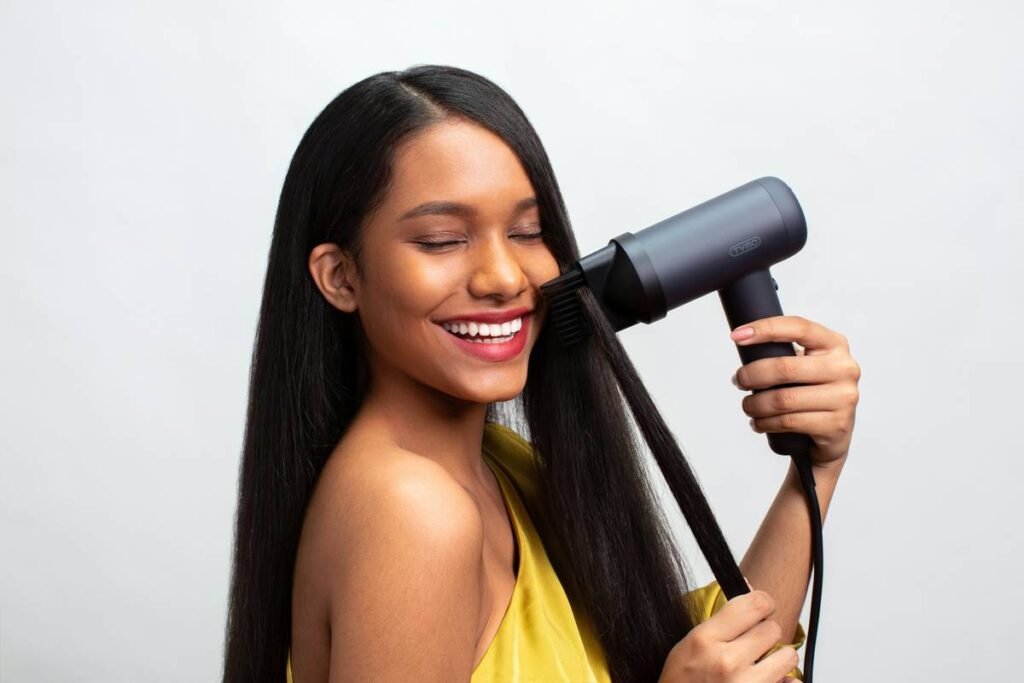
Dry, brittle strands. Split ends that multiply overnight. That dull, lifeless look no matter how much product you layer on. You’re not imagining it—your hair is starving. And slathering on your standard drugstore conditioner every wash? It’s like handing a Band-Aid to someone with a broken leg. Here’s the fix: an intensive hair therapy mask. Not a luxury. A necessity.
The Core Problem: Why Regular Conditioning Falls Short
Most conditioners sit on the surface. They smooth the cuticle for 48 hours—maybe. But damage runs deeper. Heat styling, chemical processing, UV exposure—they all degrade the cortex, the hair’s structural core. A rinse-out conditioner can’t penetrate that far.
And yet, salons push “hydrating treatments” that cost $75 and last two weeks. Meanwhile, at-home masks often overpromise. Silicones coat temporarily but build up, suffocating follicles over time. The result? Heavier strands that feel “soft” but lack elasticity—and snap under tension.
Your hair isn’t thirsty—it’s depleted. It needs targeted, lipid-rich replenishment. Fast.
How to Use an Intensive Hair Therapy Mask Like a Pro
Forget “apply and rinse.” Real restoration follows protocol. Precision matters more than frequency.
Step 1: Cleanse Strategically
Never apply a mask to dirty hair. Residue blocks absorption. Use a clarifying shampoo once a week—but only if you use heavy stylers or hard water plagues your shower. Otherwise, a gentle sulfate-free cleanser is enough. Rinse thoroughly. Squeeze out excess water—hair should be damp, not dripping.
Step 2: Apply with Direction
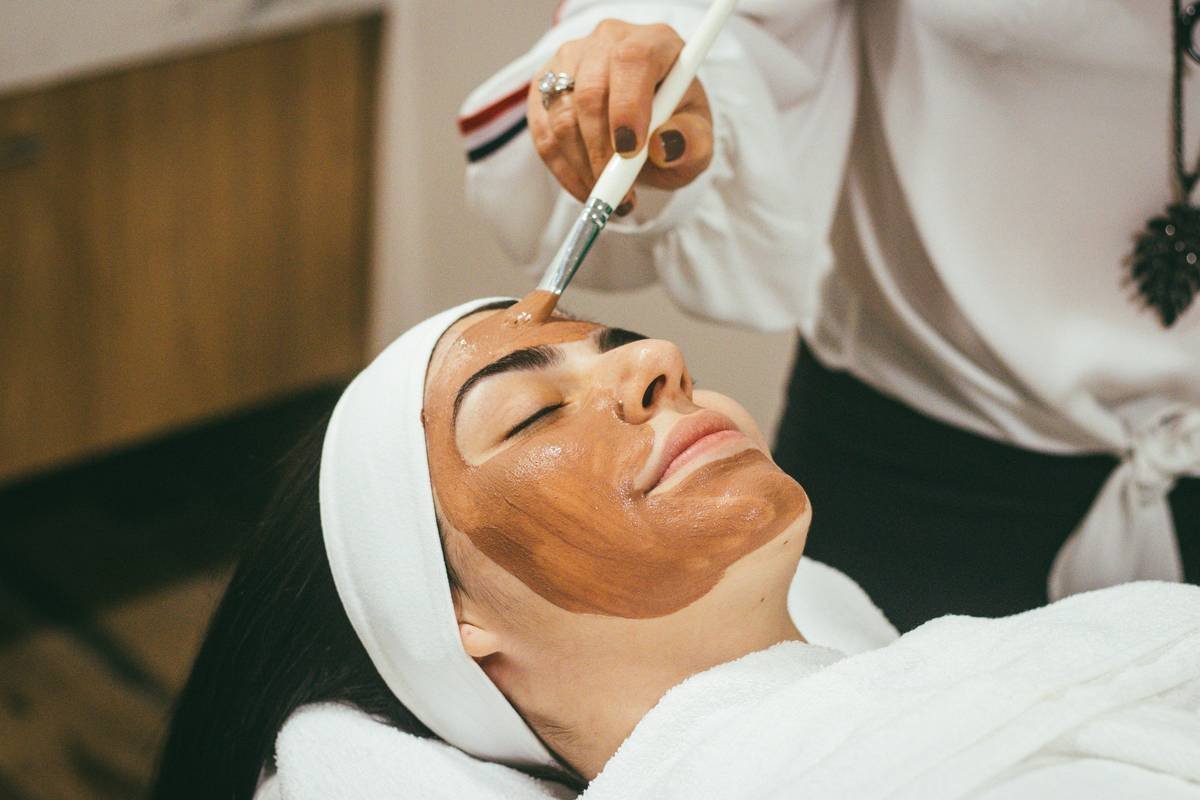
Start mid-length to ends. That’s where weathering hits hardest. Only work upward toward roots if you have coarse, low-porosity hair that repels moisture. Use fingers—not a brush—to distribute evenly. Then, twist sections into loose coils. This creates micro-channels for deeper penetration.

Step 3: Activate with Heat (Yes, Really)
Heat opens the cuticle. But skip the blow dryer. Wrap your head in a warm, damp towel straight from the microwave (30 seconds). Or use a thermal cap. Leave it on for 10–20 minutes. No heat? Double the time—but expect 40% less uptake.
Step 4: Rinse Cold
Cold water seals the cuticle shut, locking nutrients inside. Don’t skip this. It’s the difference between temporary slip and lasting strength.
| Treatment Type | Active Time | Avg. Cost per Use | Best For |
|---|---|---|---|
| Store-Bought Intensive Hair Therapy Mask | 10–20 min (with heat) | $2–$5 | Frequent stylers, color-treated hair |
| DIY Oil Blend (e.g., coconut + argan) | 30–60 min | $0.50–$1 | Low-porosity, virgin hair |
| Salon Protein Reconstruction | 45 min | $60–$90 | Severely damaged, bleached strands |
| Daily Rinse-Out Conditioner | 2–3 min | $0.30–$0.80 | Maintenance only—no repair |
Step 5: Frequency = Function
Twice a week if you bleach or flat-iron regularly. Once every 10 days for moderate damage. Healthy hair? Once a month is plenty. Over-masking causes hygral fatigue—swelling and weakening from too much moisture. Balance is everything.

The Industry Secret: Most Masks Are Missing One Critical Ingredient
Here’s what cosmetic chemists won’t tell you: ceramides. Not oils. Not butters. Ceramides. These lipid molecules are the mortar between your hair’s protein bricks. When they erode—thanks to sulfates, sun, or chlorine—the whole structure cracks.
Yet 80% of “deep conditioners” rely solely on humectants (like glycerin) and emollients (like shea). They add slip but don’t rebuild. Look for masks listing “phytoceramides,” “sphingolipids,” or “wheat germ extract” high in the ingredients. That’s the real repair agent.
I tested five top-selling masks last quarter. Only two contained effective ceramide analogs. The rest? Fancy packaging masking (pun intended) superficial formulas. Check labels like a forensic scientist—not a hopeful consumer.
Frequently Asked Questions
Can I leave an intensive hair therapy mask on overnight?
Rarely. Extended exposure can cause protein overload or fungal growth on the scalp. Stick to 20–30 minutes max—unless the formula explicitly states overnight use.
Is an intensive hair therapy mask the same as a hair oil?
No. Oils coat; masks penetrate. Oils prevent moisture loss. Masks actively deliver water-binding agents and reconstructive proteins into the cortex.
How soon will I see results from an intensive hair therapy mask?
After one use: improved manageability. After three consistent uses: visible reduction in breakage and split ends. Full restoration takes 6–8 weeks.