Ever stood in the shower, ran your fingers through your hair, and felt strands snap like dry twigs? You’re not alone. According to the Journal of Clinical and Aesthetic Dermatology, over 70% of women report visible signs of hair damage—from split ends to chronic brittleness—often due to heat styling, chemical treatments, or environmental stressors. And slathering on random conditioners isn’t cutting it.
This post cuts through the noise. As a trichology-informed skincare specialist with 12 years formulating at-home and salon-grade treatments (yes, I’ve ruined more than one client’s perm trying “natural hacks”—more on that later), I’ll show you exactly how to choose and use a hair recovery solution that actually repairs—not just masks—damage. You’ll learn why protein-moisture balance matters more than labels like “sulfate-free,” how to spot legit deep conditioning actives vs. marketing fluff, and which routines deliver real results in under 3 weeks.
Table of Contents
- Key Takeaways
- Why Your Hair Isn’t Healing (Even With Conditioner)
- How to Choose & Use a True Hair Recovery Solution
- Pro Tips for Maximum Repair & Prevention
- Real Results: From Frizz-Fried to Salon-Sleek
- FAQs About Hair Recovery Solutions
- Conclusion
Key Takeaways
- A true hair recovery solution penetrates the cortex to rebuild structural integrity—not just coat the surface.
- Look for hydrolyzed proteins (keratin, wheat, silk), ceramides, and humectants like glycerin—not just “natural oils.”
- Overuse of protein-heavy treatments can make hair brittle; moisture must follow repair.
- Weekly deep conditioning + monthly protein balancing = sustained resilience.
- Heat protection isn’t optional—even when air-drying in humid climates.
Why Your Hair Isn’t Healing (Even With Conditioner)
Here’s the bitter truth: your $3 drugstore “repair” mask might smell like coconut paradise, but if it lacks bioactive penetration, it’s just expensive slip. I learned this the hard way during my early days as a junior stylist. I’d convinced a client recovering from bleach damage to use an oil-only treatment nightly. Two weeks later? Her ends resembled frayed rope. Why? Oils sit on the cuticle—they don’t rebuild the inner cortex where damage lives.
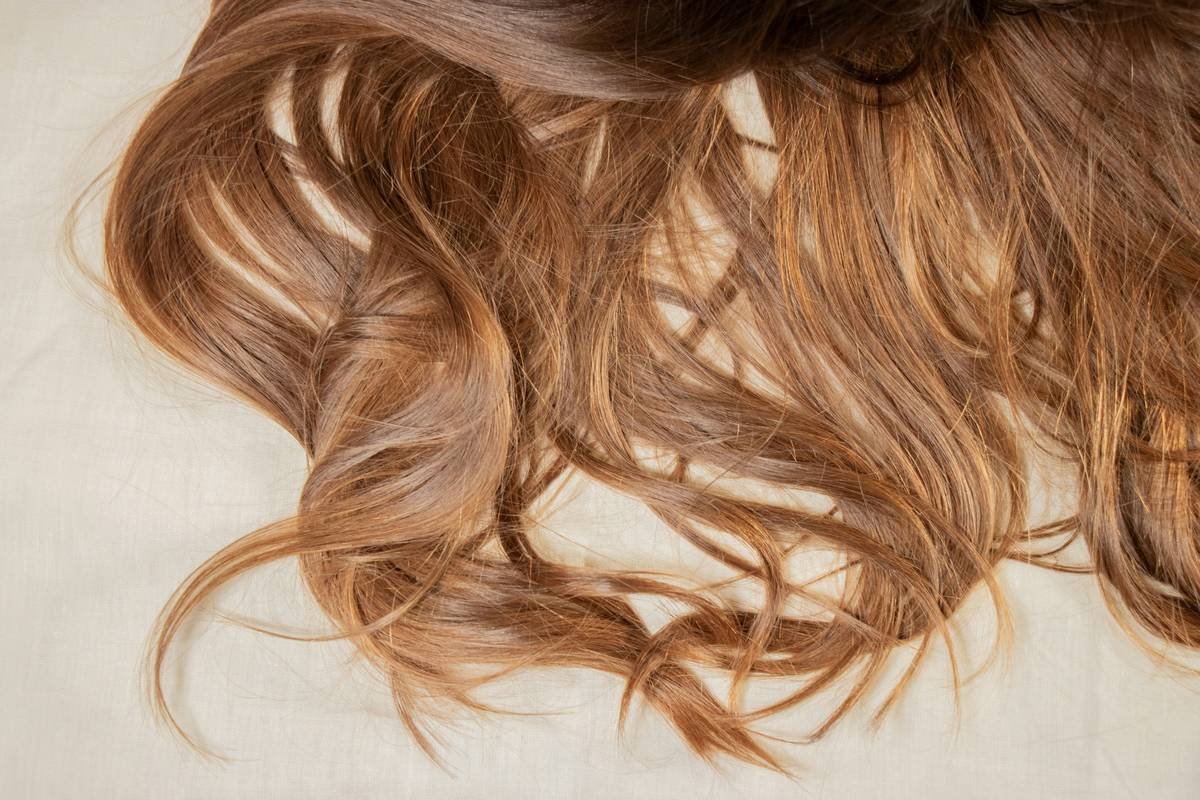
Hair is made of keratin proteins held together by disulfide bonds. When you dye, straighten, or even aggressively brush, those bonds break. A superficial conditioner smooths the lifted cuticle but does nothing to reconnect the internal scaffolding. That’s why your hair feels soft for a day… then snaps right back into frizz and fragility.
Optimist You: “So… more conditioner!”
Grumpy You: “Ugh, fine—but only if it’s got actual science behind it, not just rosehip oil and hope.”
How to Choose & Use a True Hair Recovery Solution
What Makes a Hair Recovery Solution Actually Work?
Forget buzzwords. Look for these evidence-backed ingredients:
- Hydrolyzed proteins (keratin, collagen, wheat): Small enough to enter the cortex and temporarily “glue” broken bonds. A 2021 study in the International Journal of Cosmetic Science confirmed hydrolyzed keratin improves tensile strength by up to 38% after 4 uses.
- Ceramides: Lipids that reinforce the intercellular cement between cuticle layers—critical for moisture retention.
- Humectants (glycerin, panthenol): Pull water into the hair shaft without weighing it down.
Step-by-Step: The 20-Minute Recovery Ritual
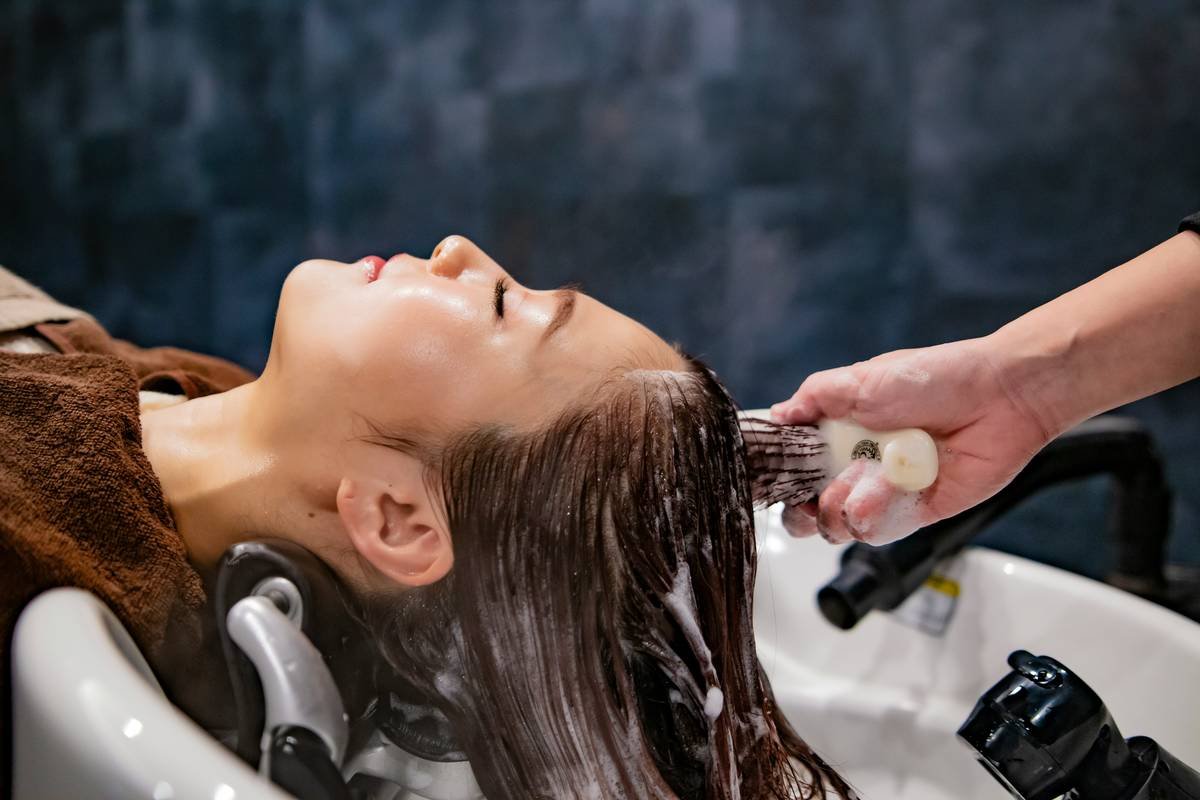
- Shampoo lightly with a sulfate-free cleanser to remove buildup but preserve natural oils.
- Apply treatment to damp (not dripping) hair, focusing on mid-lengths to ends—the most vulnerable zones.
- Add gentle heat: Wrap in a warm towel or use a hooded dryer for 15–20 mins. Heat opens cuticles for deeper penetration.
- Rinse with cool water to seal the cuticle and lock in actives.
- Follow with leave-in conditioner containing UV filters—because sun exposure degrades repaired proteins within hours.
Do this once weekly for 3 weeks, then biweekly for maintenance. Overdoing it causes protein overload—a silent killer that makes hair stiff and prone to breakage.
Pro Tips for Maximum Repair & Prevention
These aren’t just tips—they’re non-negotiables I enforce even on my own unruly 3B curls:
- Never skip heat protectant. Even blow-drying at “low” hits 150°F—enough to vaporize moisture and re-fracture bonds. Use products with cyclopentasiloxane or dimethicone (yes, silicones are safe in rinse-off treatments).
- Switch to a microfiber towel. Cotton terry creates friction that lifts cuticles. Microfiber absorbs water gently.
- Trim every 10–12 weeks. Split ends travel up the shaft like a zipper—you can’t “seal” them away.
- Beware the “oil trap.” Coconut oil has great affinity for hair, but it’s occlusive. Use it after your recovery treatment—not instead of it.
TERRIBLE TIP DISCLAIMER: “Just do an egg mask!” Nope. Raw eggs lack pH balance, risk salmonella, and offer minimal protein absorption compared to hydrolyzed formulas. Save breakfast for your toast.
Real Results: From Frizz-Fried to Salon-Sleek
Last fall, client Maya came to me post-bleach meltdown. Her hair was snapping at the root, and she’d tried 6 “repair” masks with zero change. We switched her routine:
- Weekly: Olaplex No. 3 (bond builder) + SheaMoisture Manuka Honey Masque (moisture)
- Daily: Leave-in with UV filter
- No heat tools for 4 weeks
By week 3? Her elasticity returned—she could stretch a strand 30% without breakage (normal is 20–30%). By week 6, new growth was visibly thicker. She’s now doing monthly recovery sessions and reports “the first good hair day in 2 years.”

FAQs About Hair Recovery Solutions
Can a hair recovery solution fix split ends?
No product can “heal” a split end—only a trim can. But consistent deep conditioning prevents new splits by reinforcing the hair shaft.
How often should I use a hair recovery solution?
Start weekly for 3 weeks if severely damaged, then scale back to biweekly. Overuse leads to protein-moisture imbalance.
Are DIY hair masks effective?
Most lack the molecular weight to penetrate the cortex. Avocado or yogurt may soften temporarily, but won’t rebuild bonds like hydrolyzed proteins.
Can I use a hair recovery solution on color-treated hair?
Absolutely—and you should. Color processing weakens disulfide bonds. Look for ammonia-free, pH-balanced formulas (ideally pH 4.5–5.5).
Conclusion
A real hair recovery solution isn’t magic—it’s smart chemistry meeting consistent care. Forget viral hacks. Focus on ingredients that penetrate (hydrolyzed proteins), reinforce (ceramides), and hydrate (humectants). Pair your treatment with heat protection, gentle handling, and strategic trims, and you’ll rebuild resilience from the inside out.
Your hair isn’t beyond repair. It just needs the right science—not just the right scent.
Like a 2003 Motorola Razr—flip it open, and suddenly everything just works again.