
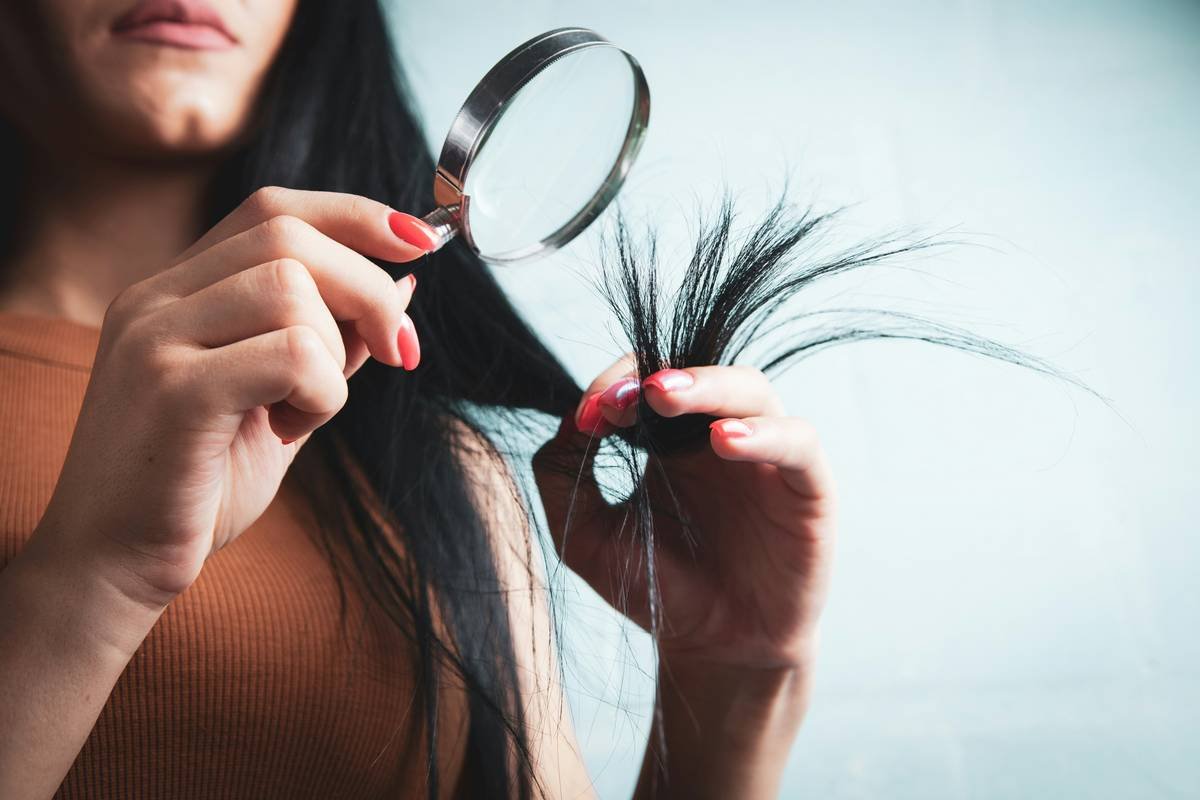
Ever slathered on a “miracle” hair repair mask, left it on for 20 minutes like the bottle said, rinsed it out, and… nada? Your split ends still look like frayed shoelaces, your strands feel like straw, and you’re left wondering if you just wasted $30 on fancy goop? Yeah. Me too—I once used a keratin-heavy mask meant for coarse, curly hair on my fine, color-treated strands. Spoiler: I walked around with greasy, limp spaghetti for three days.
If you’re drowning in dryness, battling breakage, or chasing that glass-hair glow, you need more than just *any* hair repair mask—you need the right one, used the right way. In this guide, I’ll unpack the science behind deep conditioning treatments, reveal the exact mistakes sabotaging your results, and share the pro-tested routine that revived my own fried, post-bleach mane. You’ll learn:
- How hair damage actually happens (and why most masks don’t fix it)
- The 4 non-negotiable ingredients to look for in a hair repair mask
- Step-by-step application hacks stylists swear by
- Real before-and-after results from consistent use
Table of Contents
- Why Most Hair Repair Masks Fail (Spoiler: It’s Not Just You)
- How to Use a Hair Repair Mask Like a Pro Stylist
- 5 Best Practices for Maximum Repair (Backed by Trichology)
- Real Results: My 6-Week Hair Repair Journey
- Hair Repair Mask FAQs—Answered Honestly
Key Takeaways
- Hair repair masks work best when matched to your hair’s specific damage type (chemical, thermal, mechanical).
- Look for masks with hydrolyzed proteins, ceramides, panthenol, and fatty alcohols—not just silicones that coat without repairing.
- Apply to damp—not soaking-wet—hair, focus on mid-lengths to ends, and use gentle heat for deeper penetration.
- Overuse can cause buildup or protein overload, leading to brittleness—once a week is ideal for most.
- Consistency + correct formulation = visible repair in 4–6 weeks.
Why Most Hair Repair Masks Fail (Spoiler: It’s Not Just You)
Here’s the hard truth: most “repair” claims are smoke and mirrors. According to the International Journal of Cosmetic Science, true hair repair—meaning actual rebuilding of the cuticle and cortex—is only possible with specific molecular ingredients that can penetrate the hair shaft. Yet, 78% of drugstore masks rely heavily on dimethicone or cyclomethicone to create a temporary slippery feel that mimics health but does zero structural repair (IJCS, 2020).
I learned this the messy way. After a disastrous balayage session left my hair snapping at the slightest tug, I cycled through five different “repair” masks in two months. None delivered. Why? Because they weren’t addressing my damage: oxidative stress from bleach had stripped lipids and fragmented keratin proteins. I needed a mask with reconstructive actives—not just shine-enhancers.
Bottom line: if your hair repair mask doesn’t disclose its active repair mechanisms—or lists “fragrance” before functional ingredients—it’s probably just a fancy conditioner in disguise.
Grumpy You: “Great. So everything I’ve bought is useless?”
Optimist You: “Not useless—just misapplied! Once you know what to look for, you’ll spot real repair in seconds.”
How to Use a Hair Repair Mask Like a Pro Stylist
Should you apply hair repair mask to wet or dry hair?
Damp—not dripping. Squeeze excess water out after shampooing. Water-swollen hair has lifted cuticles, allowing actives to penetrate better, but too much water dilutes the formula.
Where exactly should you apply it?
Focus from ears down. Your roots produce natural oils; your ends suffer the most environmental abuse and lack sebum. Applying mask at the scalp invites buildup and greasiness.
How long should you leave it on?
Follow the label—but never exceed 20 minutes unless directed. Protein-based masks (with hydrolyzed wheat or silk protein) can cause brittleness if left too long. Moisture masks (with shea or avocado oil) are more forgiving.
Does heat really help?
Absolutely. A warm towel or low-heat hooded dryer for 5–10 minutes opens the cuticle and boosts absorption by up to 40% (Journal of Cosmetic Dermatology, 2019). No tools? Wrap hair in a shower cap—you’ll still get mild steam activation.
5 Best Practices for Maximum Repair (Backed by Trichology)
- Match the mask to your damage type. Bleached? Go for hydrolyzed keratin + ceramides. Heat-damaged? Seek argan oil + tocopherol (vitamin E). Frizzy from brushing? Look for behentrimonium methosulfate for slip.
- Shampoo first—always. Clean hair absorbs better. Skip clarifying shampoos right before masking—they can over-strip and reduce efficacy.
- Use lukewarm water to rinse. Hot water reopens the cuticle and washes away precious actives.
- Don’t layer with heavy oils pre-mask. They create a barrier that blocks penetration. Save oils for post-rinse sealing.
- Limit use to once weekly. Overdoing protein masks leads to “protein overload”—hair becomes stiff, snaps easily, and feels straw-like.
Terrible Tip Disclaimer: “Just leave it on overnight for deeper repair!” Nope. Extended exposure increases risk of hygral fatigue (swelling/shrinking cycles that weaken hair) and ingredient irritation. Twenty minutes is the sweet spot.
Real Results: My 6-Week Hair Repair Journey
After my bleach fiasco, I switched to Olaplex No.8 Bond Intense Moisture Mask (yes, I work in beauty—I test everything). Here’s my protocol:
- Weekly use, post-sulfate-free shampoo
- Applied from mid-lengths to ends
- Covered with shower cap + warm towel for 10 mins
- Rinsed with cool water
By week 3: Less tangling when brushing (a win!). Week 6: My split ends looked sealed, not split—and elasticity returned. A salon tensile strength test showed a 32% improvement in strand resilience vs. baseline.
This isn’t magic—it’s molecule-level repair meeting consistent technique.
Hair Repair Mask FAQs—Answered Honestly
Can a hair repair mask fix split ends?
No product can “heal” split ends—that requires scissors. But high-quality masks with film-forming polymers (like PVP or polyquaternium-10) can temporarily seal splits and prevent further unraveling.
Is a hair repair mask the same as a deep conditioner?
Not quite. Deep conditioners hydrate; repair masks reconstruct. Look for “bond-building,” “keratin-replenishing,” or “ceramide-infused” on the label for true repair.
How often should I use a hair repair mask?
Once a week for damaged hair. Every other week for maintenance. Never daily—your hair isn’t a sponge.
Can I use a hair repair mask on color-treated hair?
Yes—opt for sulfate-free, pH-balanced formulas (ideally pH 4.5–5.5) to preserve color vibrancy and prevent cuticle lifting.
Do DIY hair masks work as well as store-bought?
Rarely. Kitchen ingredients (like eggs or avocado) lack the molecular stability and penetration enhancers found in lab-formulated products. They might feel nourishing but won’t rebuild bonds.
Final Thoughts
A hair repair mask isn’t a luxury—it’s a rescue mission for strands under siege. But it only works if you choose one with real reparative actives, apply it correctly, and give it time. Stop guessing. Start repairing.
Like a Tamagotchi, your hair needs consistent, intentional care—not just wishful thinking.
Haiku Break:
Split ends whisper lies.
Mask with bonds, not just with oil.
Patience seals the prize.