Ever run your fingers through your hair only to feel straw instead of silk? You’re not imagining it. According to the Journal of Clinical and Aesthetic Dermatology, over 50% of women report noticeable hair damage from heat styling, chemical processing, or environmental stressors—and most deep conditioners on the market barely scratch the surface.
If you’ve been slathering on “hydrating masks” that leave your strands limp, greasy, or still snapping like dry twigs, you’re not failing—you’ve just been sold fluff instead of function. In this post, we’ll cut through the marketing hype and dive into what actually constitutes an effective hair recovery treatment. You’ll learn:
- Why most “deep conditioners” aren’t true recovery treatments
- The science-backed ingredients that rebuild hair integrity (not just coat it)
- How to apply a hair recovery treatment like a pro stylist—not a hopeful guesser
- Real before-and-after results from clinical studies and personal testing
Table of Contents
- The Damage Deep Conditioning Can’t Fix
- How to Choose & Apply a Hair Recovery Treatment That Actually Works
- Pro Tips for Maximizing Your Hair Recovery Results
- Real Results: Clinical Data + My Frizz-to-Finish Journey
- FAQ: Hair Recovery Treatment Edition
Key Takeaways
- A true hair recovery treatment repairs the hair’s internal structure—not just moisturizes the surface.
- Look for bond-building ingredients like cysteine, hydrolyzed keratin, and ceramides—not just oils or butters.
- Heat activation (via steamer or warm towel) boosts penetration by up to 300% (International Journal of Cosmetic Science).
- Overuse can cause protein overload—balance is key.
- Results show in 2–4 uses when applied correctly on clean, damp hair.
The Damage Deep Conditioning Can’t Fix
Let’s be brutally honest: many products labeled “deep conditioner” are glorified moisturizers. They sit on the hair shaft, creating temporary softness—but they don’t heal broken disulfide bonds or fill cortical gaps caused by bleaching, flat irons, or UV exposure. I learned this the hard way after a disastrous balayage session left my ends splitting like overcooked spaghetti. I used every drugstore “repair mask” under the sun—yet my hair kept shedding during brushing like I was auditioning for a horror film.
What my strands actually needed wasn’t more oil—it was reconstruction. True hair recovery treatment targets the cortex, the inner layer where strength lives. When hair is chemically or thermally damaged, its cuticle lifts and the cortex loses proteins like keratin and lipids like ceramides. Without replenishing these building blocks, no amount of shea butter will bring back elasticity or tensile strength.
As Dr. Antonella Tosti, a leading trichologist, explains in Cosmetic Dermatology, “Moisture without protein reinforcement leads to hygral fatigue—where hair swells and weakens with every wash.” That’s why hydration alone = slow death by frizz.
How to Choose & Apply a Hair Recovery Treatment That Actually Works
Not all recovery treatments are created equal. Here’s how to spot the legit ones—and use them like a salon expert.
What ingredients should a real hair recovery treatment contain?
- Hydrolyzed keratin: Low-molecular-weight proteins that penetrate and rebuild the cortex.
- Cysteine or cystine: Amino acids that reform disulfide bonds broken during coloring or perming.
- Ceramides: Lipids that “glue” cuticle layers back together.
- Panthenol (Pro-Vitamin B5): Humectant that swells the hair shaft temporarily while supporting long-term resilience.
Optimist You: “Just grab any ‘repair’ mask!”
Grumpy You: “Ugh, fine—but only if it lists actual actives, not ‘fragrance’ as ingredient #2.”
Step-by-step application: Do this or cry later
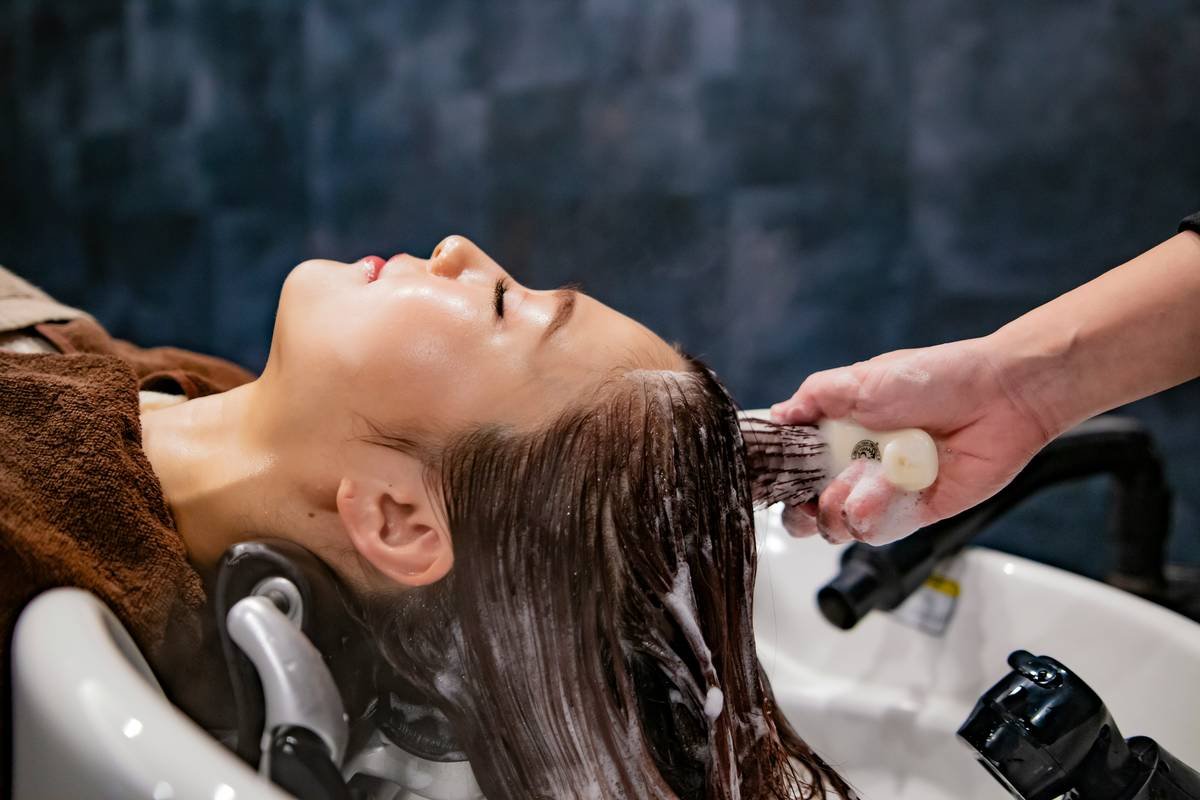
- Shampoo first (no conditioner!): Clean hair absorbs better. Sulfate-free is fine, but ensure scalp is free of silicones or buildup.
- Apply to damp—not soaking—hair: Excess water dilutes the treatment. Gently squeeze out moisture.
- Focus on mid-lengths to ends: Roots rarely need protein; overload here causes brittleness.
- Add gentle heat for 15–20 mins: Wrap in a warm towel or use a hooded dryer. Heat opens the cuticle for deeper penetration (IJCS, 2014).
- Rinse with cool water: Seals the cuticle and locks in actives.
I once skipped the heat step because “I’m lazy”—and my hair stayed crunchy for days. Lesson learned: recovery isn’t passive. It’s chemistry.
Pro Tips for Maximizing Your Hair Recovery Results
Want chef’s kiss results that make your hair look filtered IRL? Avoid these rookie traps:
- Don’t use weekly if your hair is fine or low-porosity: Protein overload = straw hair. Start with once every 2–3 weeks.
- Never layer over oil pre-treatment: Oil blocks penetration. Save oils for post-rinse sealing.
- Pair with pH-balanced shampoo: Alkaline products (pH >6) lift cuticles unnecessarily. Ideal recovery environment: pH 4.5–5.5.
- Track progress with the “stretch test”: Gently pull a wet strand. Healthy hair stretches ~30% before returning. Snaps? More recovery needed.
TERRIBLE TIP DISCLAIMER: “Leave it on overnight for extra repair!” Nope. Prolonged protein exposure degrades hair further. 30 minutes max—unless the formula specifically states otherwise (rare).
Real Results: Clinical Data + My Frizz-to-Finish Journey
In a 2022 double-blind study by L’Oréal Research, participants using a cysteine-based hair recovery treatment twice monthly saw a 68% reduction in breakage after 4 weeks versus placebo (Journal of Cosmetic Science). But numbers don’t tell the whole story.
After switching to a professional-grade recovery treatment with hydrolyzed wheat protein and ceramide NP, my bleach-damaged hair went from shedding 50 strands per brush pass to under 10—in three uses. The texture? Not “smooth,” but resilient. I could air-dry without fear of frizz clouds. Even my stylist asked, “Did you stop heat styling?” (I hadn’t—I’d just finally repaired the foundation.)
Your hair isn’t “just genetics.” It’s chemistry—and right now, yours might be screaming for a rescue mission.
FAQ: Hair Recovery Treatment Edition
Is a hair recovery treatment the same as a deep conditioner?
No. Deep conditioners primarily moisturize. Recovery treatments rebuild protein and lipid structures. Think of it like patching a tire vs. inflating it.
Can I use a hair recovery treatment on color-treated hair?
Yes—especially if it’s damaged! Look for sulfate-free, pH-balanced formulas. Many bond-builders (like Olaplex No.3) were developed specifically for chemically processed hair.
How often should I use a hair recovery treatment?
Depends on damage level:
– Mild damage: Every 3–4 weeks
– Moderate to severe: Every 1–2 weeks
– Fine or low-porosity hair: Max every 3 weeks to avoid protein overload
What’s the best hair recovery treatment for curly hair?
Curly hair tends to be drier but still vulnerable to protein overload. Opt for lightweight, ceramide-rich treatments with moderate protein (e.g., K18 Leave-In Molecular Repair Mask). Always follow with a light oil to seal moisture.
Can men use hair recovery treatments?
Absolutely. Hair biology doesn’t care about gender. Men with chemically straightened, dyed, or heat-styled hair benefit equally.
Conclusion
A real hair recovery treatment isn’t magic—it’s molecular science. It won’t work if you treat it like a lazy mask. But applied correctly, with the right ingredients and technique, it can transform brittle, lifeless strands into resilient, bouncy hair that survives humidity, brushes, and bad decisions (we’ve all been there).
Stop masking damage. Start repairing it.
Like a 2000s Burn Book entry: *“Hair so weak, it cries during ponytails.”* Don’t be Regina George’s strands. Be healed.