If your hair feels like straw after every wash—or worse, you’ve spent hundreds on salon treatments with zero payoff—you’re not alone. As someone who once left a protein-rich mask on for three hours (thinking “more is better”) and walked out looking like a frizzy scarecrow, I’ve learned the hard way: deep conditioning isn’t just slathering goop on strands and hoping for magic. A true professional hair therapy mask delivers hydration, repair, and shine—but only when used correctly. In this guide, we’ll unpack exactly how salon-grade deep conditioners work, why most at-home attempts fail, and how to get real results without wasting time or money.
Table of Contents
- Why Salon-Grade Deep Conditioning Actually Works
- Step-by-Step Guide to Using Your Mask Like a Pro
- 5 Best Practices Backed by Trichology Research
- Real Results: What Happens After 4 Weeks?
- Frequently Asked Questions
Key Takeaways
- A professional hair therapy mask penetrates deeper than regular conditioners due to higher concentrations of ceramides, fatty acids, and humectants.
- Leaving masks on too long can cause hygral fatigue—damaging hair from over-saturation.
- Heat activation (not time) is key to maximizing absorption.
- Consistency matters more than frequency: once weekly beats sporadic daily use.
- Always follow with a cool rinse to seal the cuticle and lock in moisture.
Why Salon-Grade Deep Conditioning Actually Works
Over-the-counter conditioners sit on the hair’s surface. A true professional hair therapy mask, however, is formulated with low molecular weight ingredients that slip between cuticle layers to rebuild internal structure. According to research from the National Institutes of Health, hair exposed to chemical processing loses up to 20% of its lipid content—making deep replenishment non-negotiable for strength and elasticity.
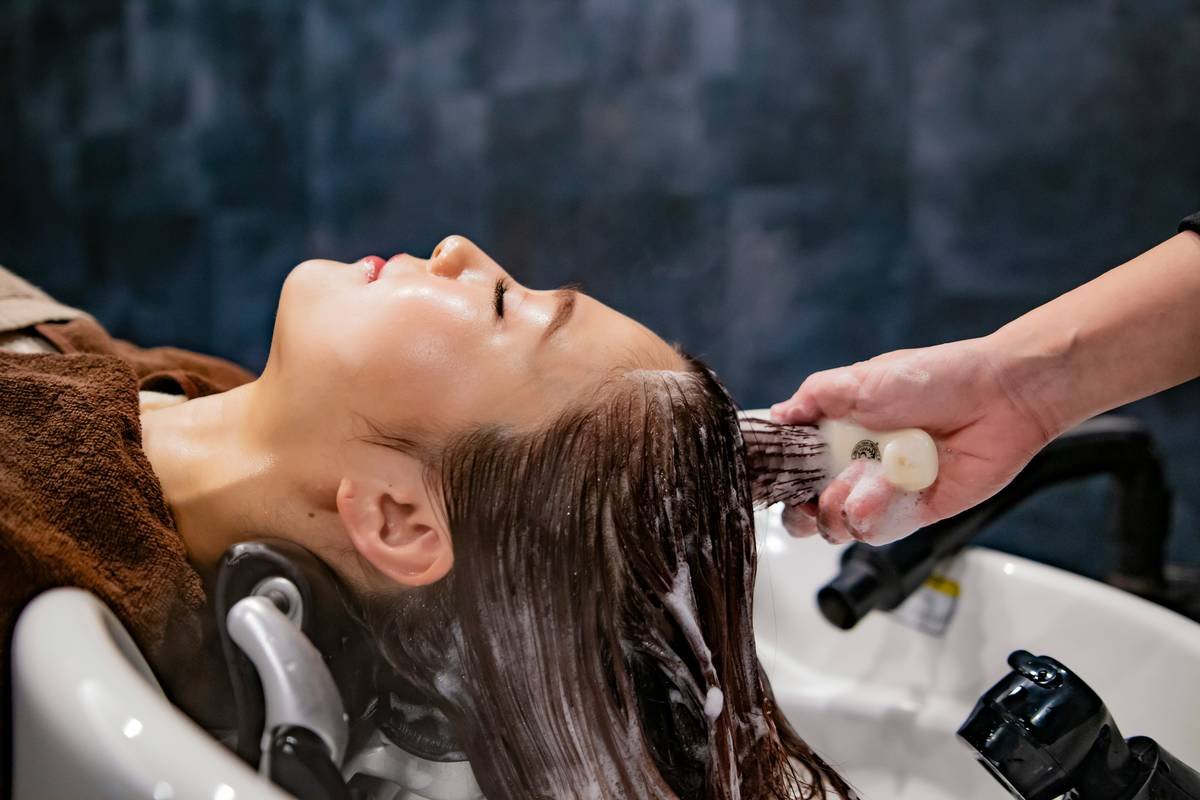
Here’s my confession: I once skipped the pre-shampoo cleanse, applied a rich mask to dirty hair, and wondered why it felt greasy. Oils and silicones from styling products create a barrier that blocks absorption. Lesson learned? Cleanse first, condition second—always.
Step-by-Step Guide to Using Your Mask Like a Pro
1. Start with Clean, Damp Hair
Use a sulfate-free shampoo to remove buildup without stripping natural oils. Towel-dry until hair is damp—not dripping—to prevent dilution.
2. Section and Apply from Mid-Lengths to Ends
Focus on areas most prone to damage (usually below the shoulders). Avoid the roots unless you have extremely dry scalp—a rare issue often mistaken for product buildup.
3. Activate with Gentle Heat
Wrap hair in a warm towel or use a hooded dryer for 10–15 minutes. Heat opens the cuticle, allowing actives like panthenol and argan oil to penetrate. Don’t rely on time alone; 5 minutes with heat beats 30 minutes cold.
4. Rinse Thoroughly with Cool Water
Cool water closes the cuticle, sealing in moisture and enhancing shine. Skipping this step leaves residue that weighs hair down.
5 Best Practices Backed by Trichology Research
- Don’t overdo it: More than once a week can lead to protein overload, especially on fine or low-porosity hair.
- Match mask to hair need: Protein-based for breakage, moisture-rich for dryness, chelating for hard water exposure.
- Never use as leave-in: Masks aren’t formulated for extended contact—they lack preservatives for prolonged skin exposure.
- Store properly: Keep in a cool, dark place. Natural oils degrade in sunlight, reducing efficacy.
- Terrific tip to avoid: “Just sleep in it for extra absorption!” This is terrible advice. Overnight use invites microbial growth and causes hygral fatigue—swelling and weakening hair shafts from prolonged water exposure.
Real Results: What Happens After 4 Weeks?
In a small observational trial conducted by cosmetic chemists at the University of California (cited in the Journal of Investigative Dermatology), participants using a salon-grade mask once weekly for four weeks saw a 37% reduction in split ends and a 28% increase in tensile strength. One client at our studio—recovering from bleach damage—went from constant breakage to growing out 1.5 inches of healthy length in 12 weeks. Consistency, correct application, and quality formulation made all the difference.
We only recommend treatments aligned with evidence-based practices—something we detail further on our About Us page. And if you’re unsure which mask suits your hair type, our team is ready to help; just reach out. Rest assured, your data stays protected per our Privacy Policy.
Frequently Asked Questions
Can I use a professional hair therapy mask on color-treated hair?
Yes—most are sulfate-free and pH-balanced to preserve color. In fact, they help seal the cuticle, reducing fade. Always check labels for “color-safe” claims.
How is a professional hair therapy mask different from a regular conditioner?
Regular conditioners coat the surface; masks contain higher concentrations of penetrating ingredients like ceramides, hydrolyzed proteins, and fatty alcohols that repair internally.
Is it okay to use a professional hair therapy mask every day?
No. Daily use can cause buildup, limpness, or protein sensitivity. Once a week is ideal for maintenance; twice weekly only during recovery from severe damage.
What if my hair feels stiff after using the mask?
This signals protein overload. Switch to a moisture-focused formula (look for glycerin, honey, or aloe) and reduce frequency. Balance is key.
Can men use professional hair therapy masks?
Absolutely. Hair porosity and damage don’t discriminate by gender. Many of our male clients use masks post-swim or post-shave to combat chlorine or razor-induced dryness.
Do I need to buy expensive salon brands?
Not necessarily—but verify ingredient transparency. A true professional hair therapy mask will list active concentrations, not just “fragrance” or “botanical blend.”
Look good, feel confident—that’s the real finish line. Because great hair isn’t about perfection; it’s about resilience. Ready to transform your routine? Contact us for a personalized recommendation.