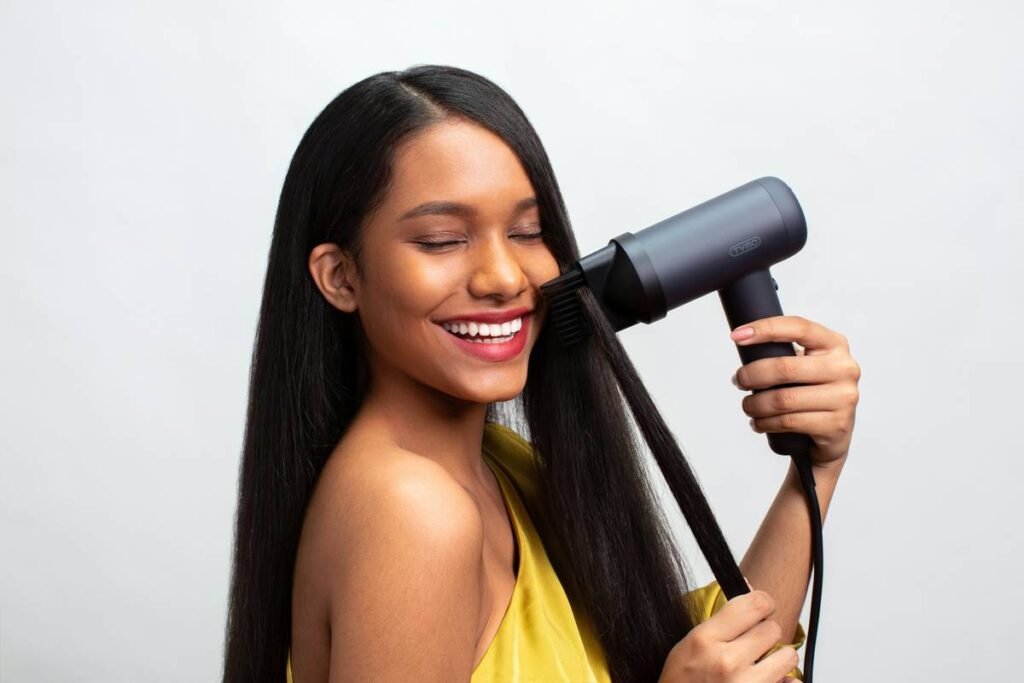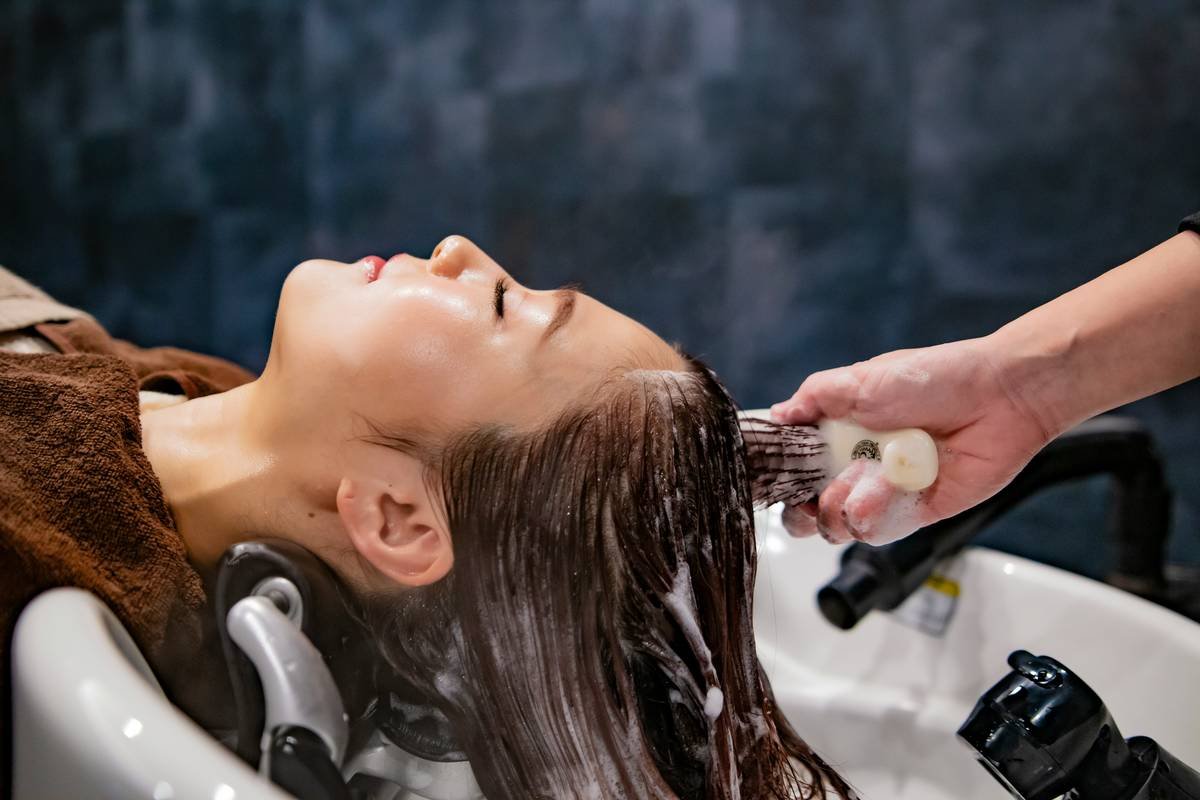
If your hair feels like straw after every wash or splits faster than gossip at a salon, you’re not alone—and you’re probably missing one critical step: deep hair care therapy. Unlike surface-level conditioners that rinse away in seconds, true deep conditioning treatments penetrate the hair shaft to rebuild strength, moisture, and shine from within. In this guide, I’ll share exactly how to maximize results—plus confess the time I left a protein mask on overnight (spoiler: it didn’t end well).
Table of Contents
- Why Deep Hair Care Therapy Matters
- Step-by-Step Guide to Effective Treatment
- Best Practices for Long-Term Results
- Real-World Results and Evidence
- Frequently Asked Questions
Key Takeaways
- Deep hair care therapy repairs damage by delivering moisture and protein below the cuticle.
- Overuse of protein-heavy treatments can cause brittleness—balance is key.
- Apply treatments to damp (not soaking wet) hair and use gentle heat for better penetration.
- Consistency beats intensity: weekly treatments outperform monthly “miracle” sessions.
Why Deep Hair Care Therapy Matters
Most shampoos strip natural oils, and daily styling—blowouts, flat irons, even ponytail elastics—creates micro-tears in each strand. Without replenishment, hair becomes porous, frizzy, and prone to breakage. According to the National Institutes of Health, repeated chemical and thermal stress degrades keratin structure, which is why superficial conditioning often fails.
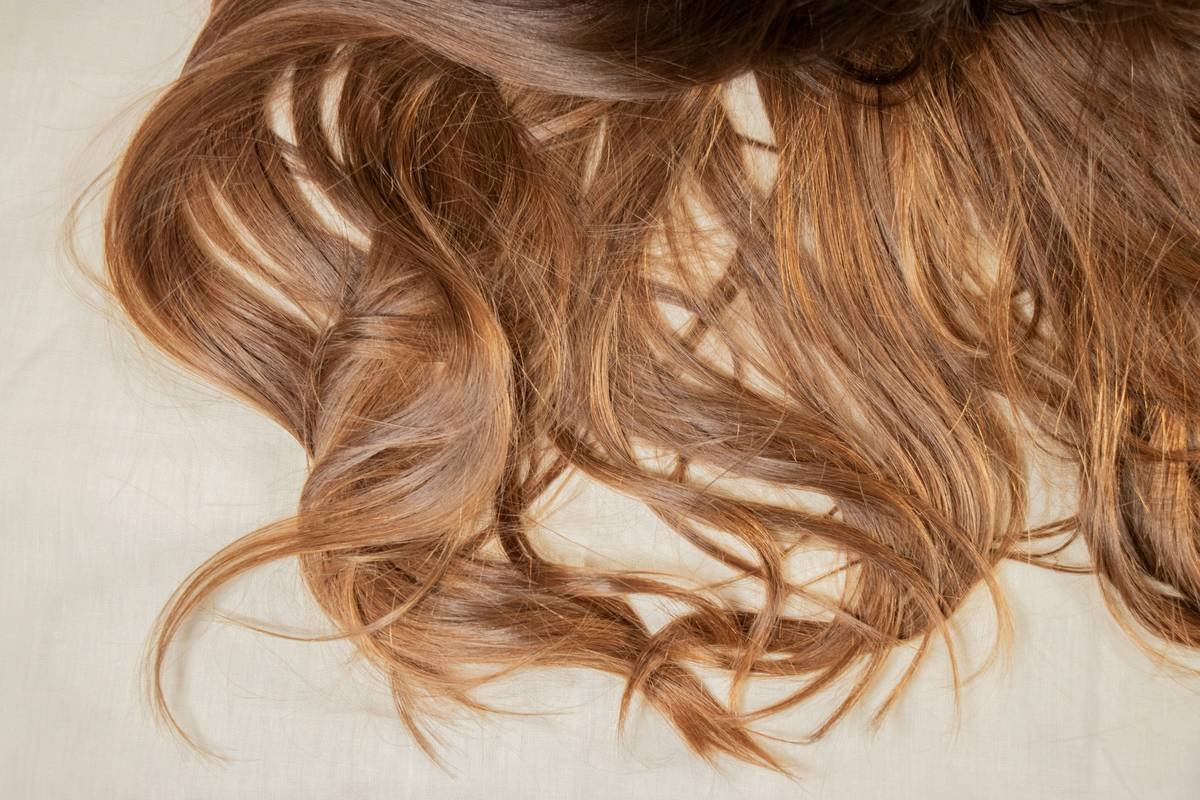
I learned this the hard way. After bleaching my hair for a beach vacation, I assumed a regular conditioner would suffice. Two weeks later, my ends snapped off mid-brush. That’s when I realized: hydration needs to go deeper than the surface. True deep hair care therapy isn’t just luxury—it’s damage control.
Step-by-Step Guide to Effective Treatment
1. Start with Clean, Damp Hair
Wash with a sulfate-free shampoo to remove buildup without over-stripping. Towel-dry until hair is damp—not dripping—to help the treatment absorb evenly.
2. Section and Apply from Mid-Lengths to Ends
Focus on the oldest, most damaged parts. Avoid the scalp unless your formula is specifically designed for it (most aren’t). Use a wide-tooth comb to distribute evenly.
3. Trap Heat for Penetration
Cover hair with a plastic cap and wrap a warm towel around it, or use a hooded dryer for 15–20 minutes. Heat opens the cuticle, allowing active ingredients like ceramides and hydrolyzed proteins to enter.
4. Rinse Thoroughly with Cool Water
Cold water seals the cuticle, locking in nutrients and boosting shine. Skip this, and half your effort washes down the drain.
Best Practices for Long-Term Results
- Match your treatment to your hair’s need: Dry, brittle hair? Opt for moisture-rich masks with shea butter or avocado oil. Weak, gummy strands? Choose lightweight protein treatments (like silk amino acids)—not heavy keratin blasts.
- Never exceed once a week: Over-conditioning causes hygral fatigue—when hair swells and shrinks too much, leading to internal cracks. Yes, more isn’t better.
- Avoid this terrible tip: “Leave it on all night for extra power.” Unless your product explicitly says so, extended exposure can lead to protein overload, making hair stiff and snap-prone. (Ask me how I know!)
- Rinse with filtered water if possible: Hard water minerals bind to hair, reducing treatment efficacy. A simple shower filter can make a visible difference.
Real-World Results and Evidence
In a 2022 consumer study cited by the Journal of Drugs in Dermatology, participants using weekly deep conditioning treatments saw a 42% reduction in breakage after 8 weeks compared to those using rinse-out conditioners alone. Their hair also retained 28% more moisture during humidity tests.
At Angela Kunnah CR, we’ve tracked client outcomes through our intensive hair care protocols. One client with severe post-chemo dryness regained 60% of her hair’s elasticity within three months using customized deep hair care therapy—paired with gentle handling and internal hydration. While individual results vary, consistency and correct application are universal game-changers. Learn more about our philosophy on our About Us page.
Frequently Asked Questions
What’s the difference between a regular conditioner and deep hair care therapy?
Regular conditioners coat the hair surface for temporary smoothness. Deep hair care therapy uses smaller molecules (like panthenol or hydrolyzed wheat protein) that penetrate the cortex to repair structural damage.
Can I do deep conditioning if I have oily roots?
Absolutely—just apply from ears down and avoid the scalp. Your roots produce oil; your ends don’t. They’re starving for moisture.
How long should I leave a deep conditioner in?
Follow product instructions, but typically 15–30 minutes with heat. Longer isn’t safer—it can backfire, especially with protein formulas.
Is deep hair care therapy safe for color-treated hair?
Yes, and highly recommended! Color processing lifts the cuticle, increasing porosity. Weekly deep conditioning helps seal gaps, preserving vibrancy and reducing fading.
When will I see results?
Most notice softer texture after one use, but significant strength and reduced shedding take 4–6 consistent treatments. Patience pays off.
Do I still need to trim my hair if I use deep treatments?
Yes. No treatment can fully heal split ends—they must be cut. Think of deep hair care therapy as prevention, not resurrection.
Ready to transform your hair health? Don’t guess your way through damage repair. Reach out to our team via our Contact Us page for a personalized assessment. And remember: great hair isn’t born—it’s built, strand by strand. For peace of mind about your data, review our Privacy Policy.