Dry, brittle strands. Split ends that multiply overnight. That dull, lifeless look no amount of brushing fixes. You’ve tried every at-home mask promising “salon results”—yet your hair feels worse after each use. Here’s the truth: mass-market conditioners coat, not cure. Real repair demands professional hair conditioning—formulated for penetration, not just perfume.
Why Your Current Routine Is Failing
Most store-bought deep conditioners rely on silicones and waxes to create instant slip. It feels luxurious—until day two. Then? Buildup. Weight. Clogged follicles. And zero structural improvement.
Salon-grade treatments work differently. They’re pH-balanced to open the cuticle just enough—allowing active ingredients like hydrolyzed keratin, ceramides, and panthenol to actually enter the cortex. Not sit on top like plastic wrap.
How to Execute a True Professional Hair Conditioning Protocol
Forget slathering on a jar and hoping. Precision matters. Timing matters. Product chemistry matters more.
Selecting the Right Formula for Your Hair Type
Fine, low-porosity hair drowns in heavy butters. Coarse, high-porosity strands need lipid-rich reconstructions. Mismatched treatments = wasted time and damaged texture.
The Exact Application Sequence Pros Use
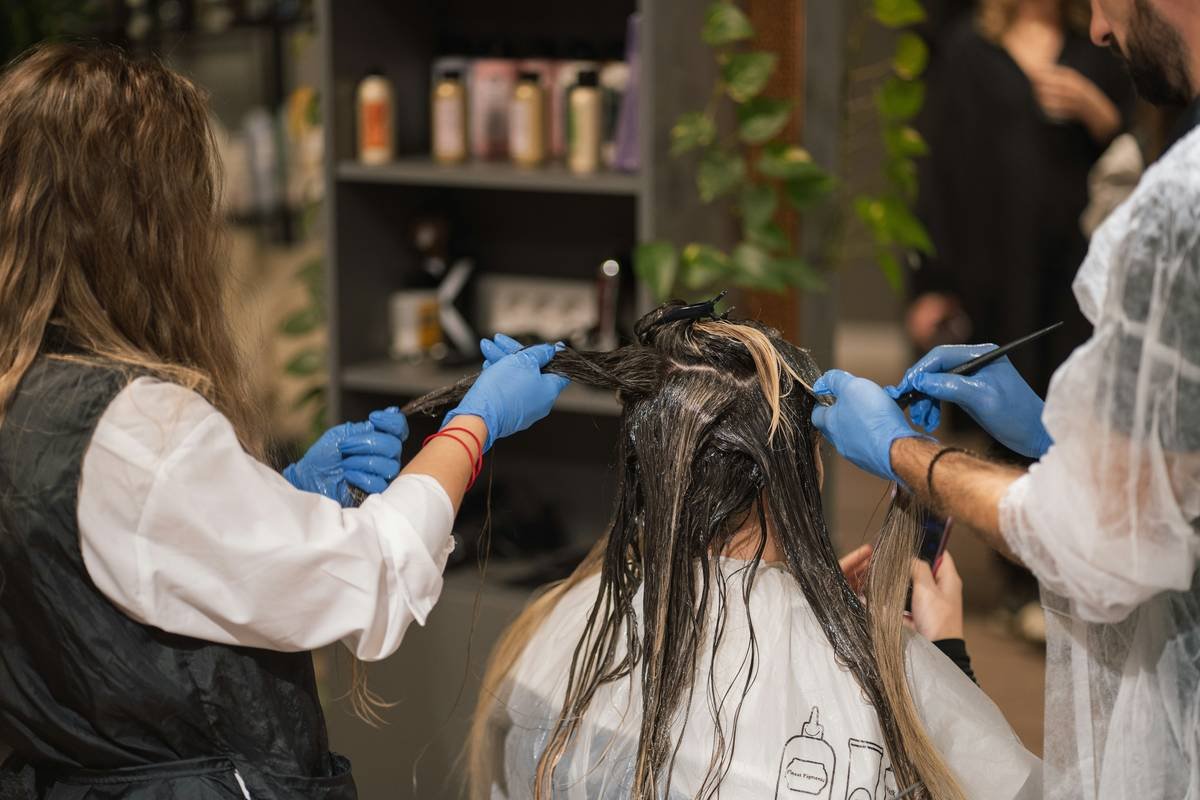
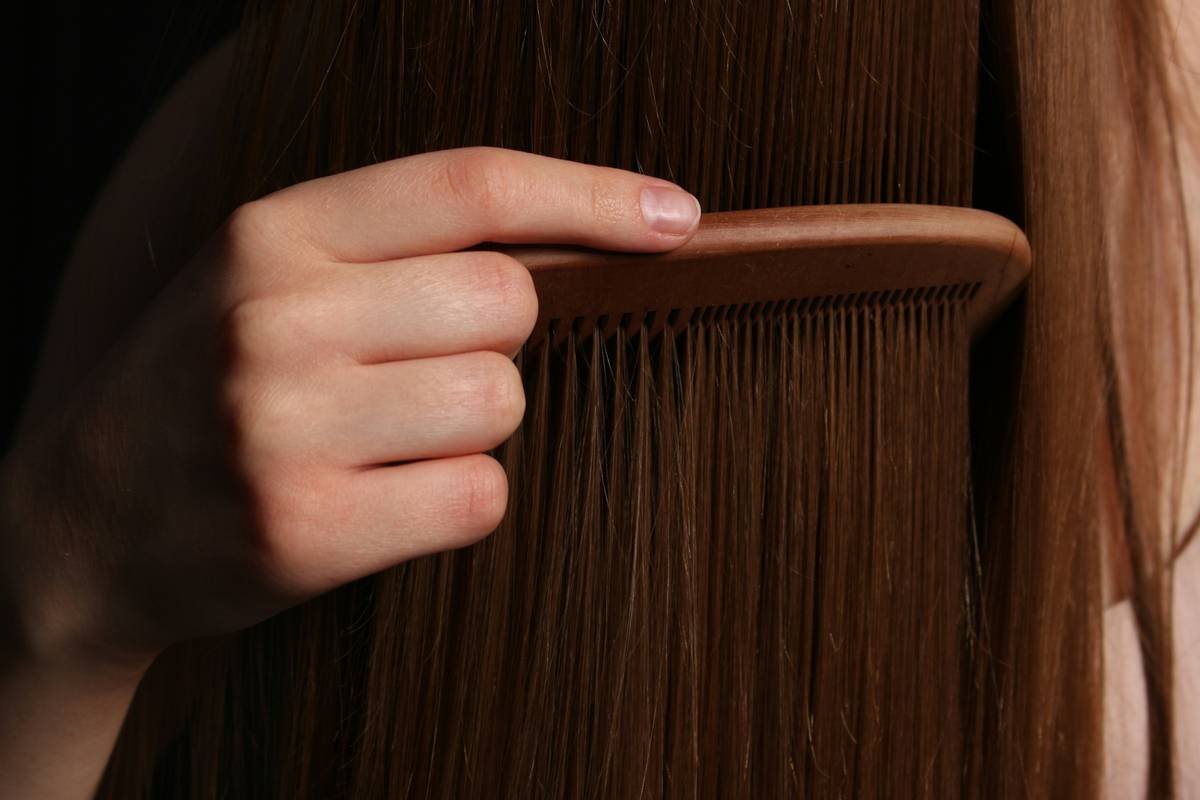
Cleanse first—with a chelating shampoo if you have hard water residue. Towel-dry to 70% dampness. Section hair. Apply treatment from mid-length to ends (never roots—unless it’s a scalp-specific masque). Comb through with wide-tooth for even distribution.
Heat + Time: The Non-Negotiable Duo
No heat? You’re wasting 60% of efficacy. A thermal cap or hooded dryer at 95–105°F for 15–20 minutes activates molecular diffusion. Skip this—and you’re just moisturizing superficially.
| Treatment Type | Best For | Avg. Cost per Session | Visible Results Timeline |
|---|---|---|---|
| Keratin-Replenishing Masque | Bleached, heat-damaged hair | $28–$45 | After 1 session |
| Ceramide-Infused Serum Conditioner | Fine, frizz-prone strands | $22–$38 | 3–5 washes |
| Protein-Lipid Reconstruction | High-porosity, elastic-deficient hair | $35–$60 | 2 sessions (weekly) |
| Silicone-Free Hydration Gel | Curly/coily textures needing definition | $19–$32 | Immediately (with proper sealing) |
The Industry Secret: Moisture-Protein Balance Isn’t Static
Here’s what product labels won’t tell you: your hair’s need for protein vs. moisture shifts weekly—based on humidity, styling habits, even hormonal cycles. Over-proteinizing causes snap-back brittleness. Over-moisturizing leads to mushy elasticity loss.
Elite stylists track client hair like barometers. They rotate between reconstructive and hydrating treatments—not stick to one “favorite.” And they always follow conditioning with a cold-water rinse to seal the cuticle. It’s not folklore. It’s biophysics.
Frequently Asked Questions
How often should I get professional hair conditioning?
Every 2–4 weeks if color-treated or heat-styled daily. Every 6–8 weeks for minimal processing. Listen to your strands—if combing feels rough, you’re overdue.
Can I replicate salon conditioning at home?
Partially. Use salon-formulated products (not consumer lines), apply heat via thermal cap, and never skip pre-cleansing. But without precise pH and molecular weight control, results plateau.
Does professional hair conditioning cause buildup?
Not if properly formulated. Real pro treatments avoid non-soluble silicones (like dimethicone) and use cationic surfactants that rinse cleanly. Buildup comes from cheap emulsifiers—not quality actives.