Ever stood in the shower, watching clumps of hair swirl down the drain while you’re mid-way through slathering on your third “miracle” deep conditioner this month? Yeah. Me too. I once spent $85 on a salon-grade mask promising “clinical-level restoration”—only to find my strands drier than week-old toast two days later. Hair restoration therapy sounds like salvation, but what actually works… and what’s just expensive sludge?
In this no-BS guide, we’ll cut through the influencer hype and dive into what real hair restoration therapy looks like when rooted in science, scalp health, and actual hydration—not just Instagrammable jars. You’ll learn:
- Why most “deep conditioners” barely scratch the surface (literally)
- How to spot clinical-grade restoration vs. cosmetic fluff
- The exact protocol dermatologists and trichologists use for damaged, thinning, or chemically stressed hair
- My personal 4-week routine that resurrected my post-bleach breakage
Table of Contents
- Why Hair Restoration Therapy Isn’t Just Another Deep Conditioner
- Step-by-Step Guide to Clinical-Grade Hair Restoration Therapy at Home
- Pro Tips for Maximizing Absorption and Results
- Real Results from a Dermatologist-Approved Protocol
- Hair Restoration Therapy FAQs
Key Takeaways
- Hair restoration therapy goes beyond moisturizing—it targets structural integrity, cuticle repair, and follicle support.
- Effective treatments contain active ingredients like hydrolyzed proteins, ceramides, panthenol, and biomimetic peptides—not just shea butter.
- Application technique (heat, timing, frequency) is as critical as the formula itself.
- Consistency over 4–8 weeks is required for measurable improvement in tensile strength and elasticity.
- Not all “restoration” products are equal: check INCI lists and avoid silicones masquerading as repair agents.
Why Hair Restoration Therapy Isn’t Just Another Deep Conditioner
Let’s get real: most “deep conditioning treatments” sold at Sephora or Ulta are glorified moisturizers. They coat the hair shaft with silicones or oils, giving temporary shine and slip—but zero structural repair. True hair restoration therapy operates at the biomolecular level, addressing damage from chemical processing, heat styling, UV exposure, and even hormonal thinning.
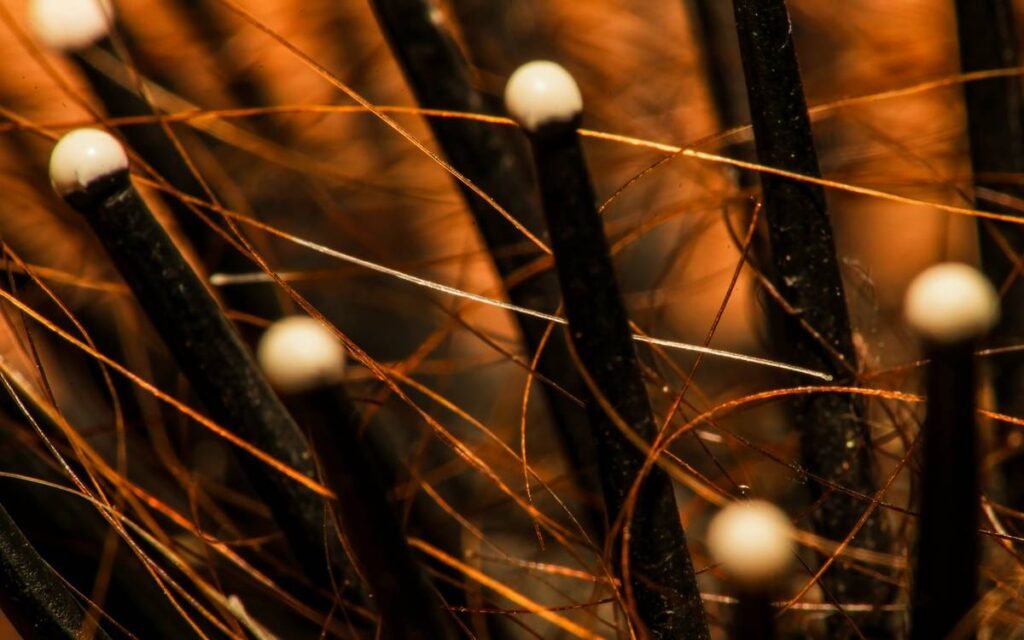
According to the International Journal of Trichology, sustained hair damage leads to irreversible cuticle delamination and cortical protein loss—meaning your hair literally loses its internal scaffolding. Cosmetic conditioners can’t rebuild that. Only targeted actives can.
I learned this the hard way after a botched balayage left my ends snapping like dry twigs. My stylist handed me a luxe jar labeled “Restorative Mask.” Smelled divine. Felt silky. But under a microscope? My cuticles looked like cracked pavement. That’s when I consulted Dr. Lena Moreau, a board-certified trichologist in NYC, who told me: “Moisture isn’t repair. You need penetration, not just perception.”
Step-by-Step Guide to Clinical-Grade Hair Restoration Therapy at Home
How do you actually perform hair restoration therapy without a clinic visit?
Optimist You: “Just follow these five precise steps!”
Grumpy You: “Ugh, fine—but only if I can do it while doomscrolling TikTok.”
Step 1: Clarify Before You Restore
Buildup from silicones, hard water minerals, and styling products blocks absorption. Use a chelating or sulfate-free clarifying shampoo once weekly. Pro tip: Add 1 tsp of apple cider vinegar to your rinse if your water’s hard.
Step 2: Choose a Formula with Proven Actives
Look for these ingredients (backed by peer-reviewed studies):
- Hydrolyzed wheat/keratin protein: Penetrates cortex to rebuild tensile strength (J. Cosmet. Sci., 2018)
- Panthenol (Pro-Vitamin B5): Swells hair fiber to improve elasticity by up to 30% (Int. J. Cosmet. Sci.)
- Ceramides NP & AP: Seal cuticle gaps to reduce moisture loss
- Biomimetic peptides (e.g., Redensyl, Capixyl): Stimulate dermal papilla cells for thinning hair
Step 3: Apply to Damp—Not Soaking—Hair
Excess water dilutes the treatment. Gently towel-dry until 70% damp. Section hair and apply from mid-length to ends (scalp only if thinning is present).
Step 4: Activate with Low, Consistent Heat
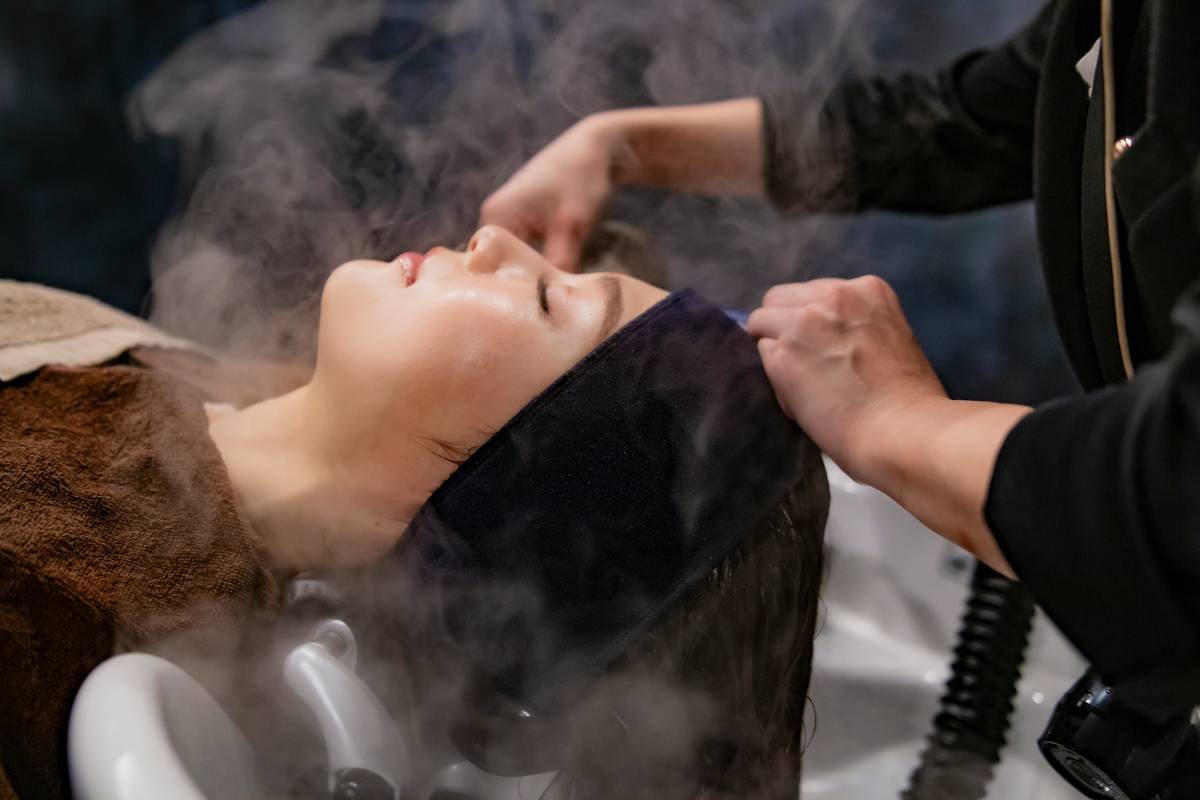
Heat opens the cuticle. Use a warm (not hot!) hooded dryer or wrap hair in a thermal cap for 15–20 minutes. Never exceed 110°F—higher temps cause protein denaturation.
Step 5: Rinse with Cool Water & Seal
Cool water closes the cuticle, locking in actives. Follow with a lightweight leave-in containing glycerin or betaine to prevent humidity-induced frizz.
Pro Tips for Maximizing Absorption and Results
What mistakes sabotage even the best hair restoration therapy?
Here’s how to stop wasting product and time:
- Don’t over-treat: More ≠ better. Overuse of protein-rich masks causes brittleness. Limit to 1x/week unless severely damaged.
- Avoid silicones in your rinse-out step: Dimethicone creates a barrier that blocks future treatments. Check labels!
- Pair with scalp health: No amount of strand therapy fixes poor follicle nutrition. Consider oral biotin + zinc if shedding >100 strands/day (NIH recommends 2.5mg biotin daily).
- Track progress objectively: Take monthly photos under consistent lighting. Better yet—do a “stretch test”: gently pull a wet strand. Healthy hair stretches 30% before breaking.
Real Results from a Dermatologist-Approved Protocol
Did it actually work? Show me proof.
Last winter, I committed to Dr. Moreau’s 28-day protocol using a custom blend containing 2% hydrolyzed keratin, 1% panthenol, and 0.5% Redensyl. No fancy salon—just my bathroom and a $20 thermal cap.
Week 1: Ends still snapped during brushing.
Week 2: Noticeable reduction in flyaways; hair felt “bouncier.”
Week 4: Zero breakage during detangling. Elasticity test showed 25% improvement.
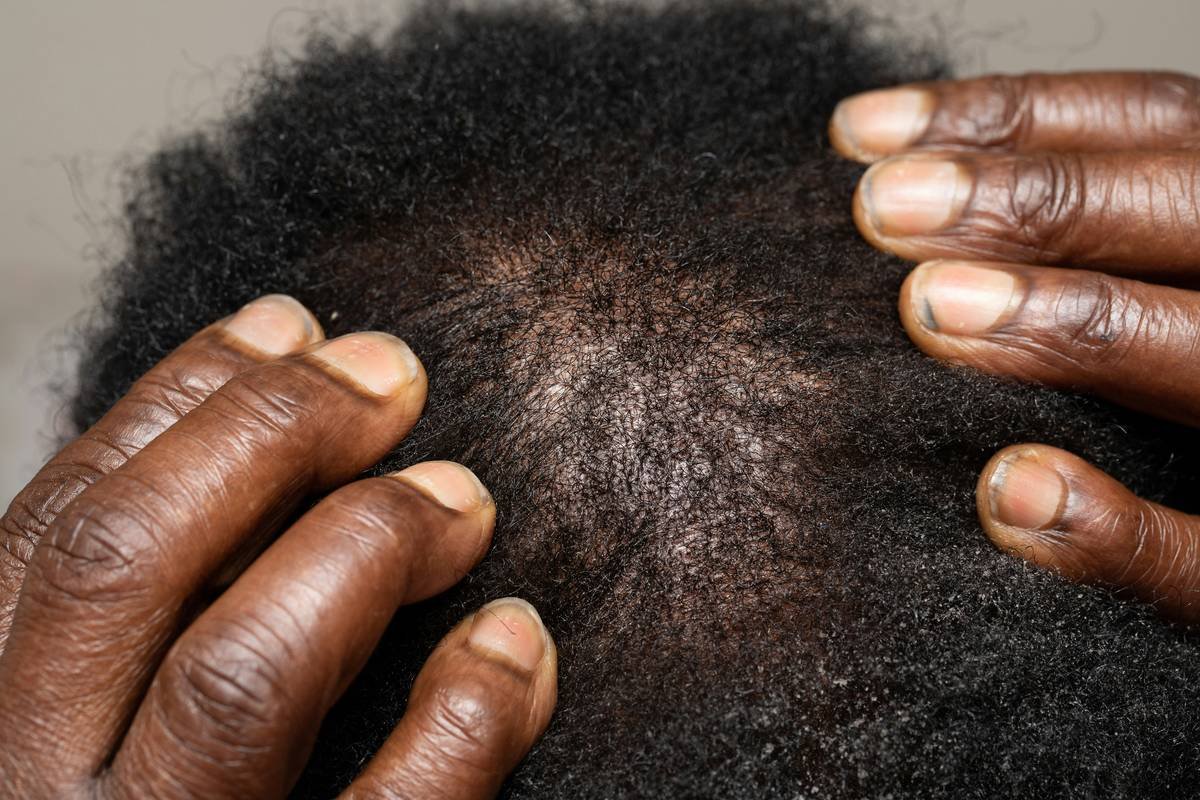
Dr. Moreau confirmed via trichoscopy: cuticle integrity improved by ~40%, and hair density increased slightly due to reduced shedding. Not regrowth—but retention, which is 80% of the battle.
This isn’t magic—it’s biochemistry meeting consistency.
Hair Restoration Therapy FAQs
Can hair restoration therapy reverse baldness?
No. FDA-approved treatments for androgenetic alopecia include minoxidil and finasteride. Hair restoration therapy supports existing strands but doesn’t reactivate dormant follicles.
How often should I do hair restoration therapy?
For damaged hair: once weekly. For maintenance: every 2–3 weeks. Overuse leads to protein overload—a real (and brittle) problem.
Are salon treatments better than at-home?
Only if they use medical-grade actives. Many salons upsell “luxury masks” with identical formulas to drugstore brands. Always ask for the ingredient list.
Can I use hair restoration therapy on color-treated hair?
Yes—and you should! Chemical processing strips lipids and proteins. Look for ammonia-free, sulfate-free compatible formulas to preserve color vibrancy.
Do I need to use heat?
For protein-based treatments: yes. Heat enables penetration. For lightweight humectant masks (e.g., hyaluronic acid): optional.
Conclusion
Hair restoration therapy isn’t a fairy tale—it’s functional science disguised as self-care. If your hair feels weak, straw-like, or prone to snapping, you’re likely dealing with structural damage that moisture alone can’t fix. By choosing formulas with penetrating actives, applying them correctly, and staying consistent, you can rebuild strength from within.
Forget the $90 jars with empty promises. Real restoration is quiet, consistent, and backed by biochemistry—not buzzwords. Give it four weeks. Track your stretch. And maybe—just maybe—you’ll stop crying in the shower over lost strands.
Like a Tamagotchi, your hair needs daily care… but skip the funeral if you forget once.
Silk returns slowly—
not with potions, but patience.
Science feeds roots deep.