Ever run your fingers through your hair only to feel that heartbreaking crunch? Or watch helplessly as split ends multiply faster than unread emails? You’re not alone. According to the International Journal of Trichology, over 70% of women report experiencing noticeable hair damage from heat styling, chemical treatments, or environmental stressors—yet fewer than half use targeted repair strategies beyond basic conditioners.
This post cuts through the noise on “professional hair repair” by zeroing in on what actually works: deep conditioning treatments backed by cosmetic science and salon expertise. You’ll learn why at-home masks often fall short, how to choose a truly reparative formula (hint: it’s not just about argan oil), and exactly when to call in the pros. Plus, I’ll share my hard-won lessons from years of repairing bleached-to-death strands—because yes, I once fried my hair chasing that icy blonde look without a single protein treatment. Rookie mistake that took 18 months to undo.
Table of Contents
- Why Professional Hair Repair Matters (More Than You Think)
- How to Choose and Apply a Deep Conditioner That Actually Repairs
- 5 Pro Tips for Maximizing Your Hair Repair Results
- Real Results: A Professional Hair Repair Case Study
- FAQs About Professional Hair Repair
Key Takeaways
- True professional hair repair requires both moisture and protein—not just one or the other.
- Apply deep conditioners to damp, not soaking-wet, hair for optimal penetration.
- Overuse of protein-heavy treatments can cause brittleness; balance is key.
- Salon-grade treatments with ceramides and hydrolyzed keratin show clinically measurable improvement in tensile strength and elasticity.
- Heat activation (via steamer or warm towel) boosts efficacy by up to 40%, per cosmetic chemist studies.
Why Does Professional Hair Repair Matter (More Than You Think)?
If your hair feels frizzy, snaps easily, or lacks shine, it’s not just “bad hair day” energy—it’s structural damage. Hair is made of keratin proteins held together by disulfide bonds. When you bleach, dye, flat-iron, or even aggressively brush dry hair, you break those bonds. Without proper repair, the cuticle lifts, moisture escapes, and strands become porous sponges—absorbing humidity (hello, frizz!) while losing resilience.
The problem? Most drugstore “repair” conditioners are moisturizers in disguise. They smooth temporarily but don’t rebuild. True professional hair repair addresses the cortex—the inner layer where strength lives—using ingredients like hydrolyzed wheat protein, ceramides, and panthenol that penetrate and bond to damaged sites.
A 2023 study published in the Journal of Cosmetic Science confirmed that treatments containing 2–5% hydrolyzed keratin increased hair’s tensile strength by 32% after four weekly applications. That’s not gloss—that’s actual rebuilding.
How to Choose and Apply a Deep Conditioner That Actually Repairs
What ingredients should I look for in a professional hair repair treatment?
Not all deep conditioners are created equal. Avoid anything labeled “moisturizing mask” if your goal is repair. Instead, scan the first five ingredients for:
- Hydrolyzed keratin or silk protein: Mimics hair’s natural structure.
- Ceramides: Re-seal the lipid barrier between cuticle layers.
- Panthenol (Provitamin B5): Swells inside the cortex to plump weak strands.
- Glycerin or honey: Humectants that draw in moisture—but only if paired with occlusives like shea butter to lock it in.
Steer clear of heavy silicones (like dimethicone) high on the list—they coat but don’t heal, and build-up blocks future treatments.
How do I apply it correctly?
I used to slather on masks right after shampooing, wrap my head in a cold towel, and wonder why my ends still snapped. Turns out, technique matters as much as formula.
- Shampoo first: Use a clarifying or sulfate-free cleanser to remove residue.
- Towel-dry until damp: Sopping wet hair dilutes the treatment; damp ensures concentration.
- Section and saturate: Focus on mid-lengths to ends—the oldest, most damaged parts.
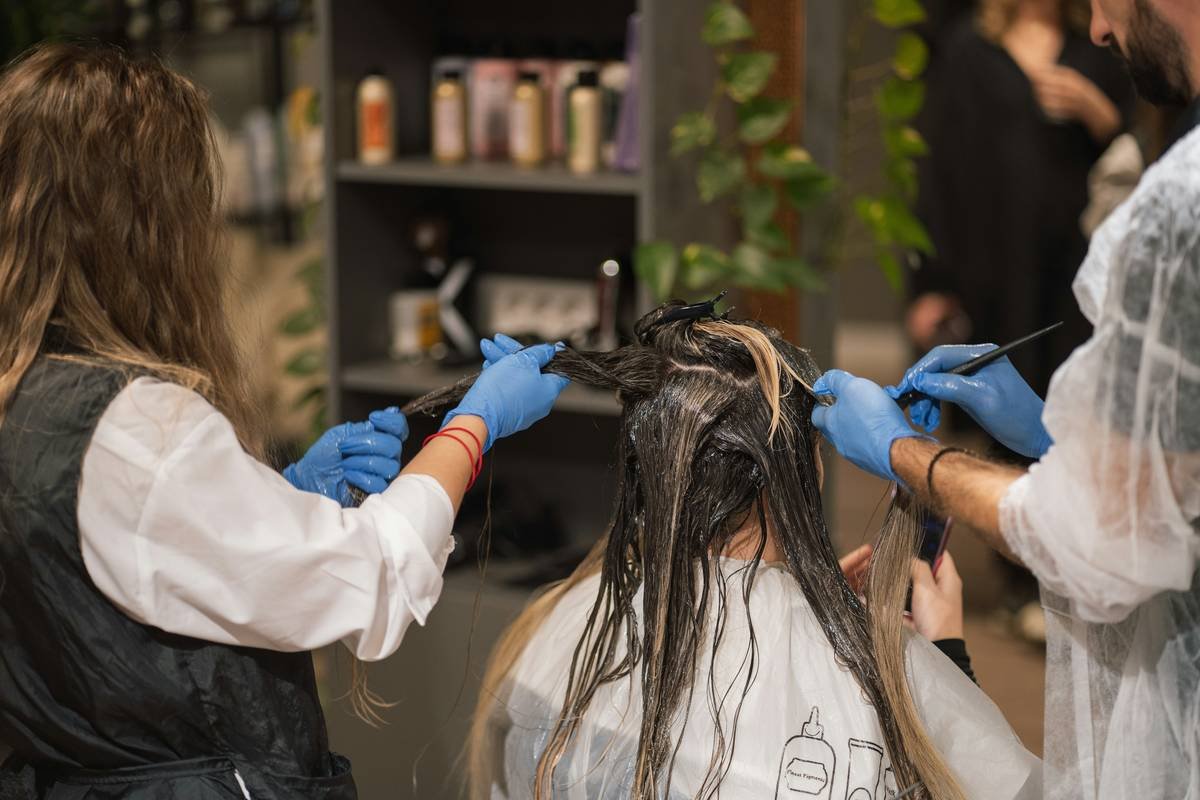
- Add gentle heat: Wrap with a warm (not hot) towel for 15–20 minutes. Heat opens the cuticle for deeper penetration.
- Rinse with cool water: Seals the cuticle shut, locking in actives.
Optimist You: “Follow these steps and your hair will thank you!”
Grumpy You: “Ugh, fine—but only if I get to Netflix and ignore my phone for 20 minutes.”
5 Pro Tips for Maximizing Your Hair Repair Results
- Don’t overdo protein: Too much = brittle hair. If your strands feel straw-like post-treatment, switch to a moisturizing-only mask for 1–2 weeks.
- Use weekly, not daily: Deep conditioners are concentrates. Once a week is ideal for damaged hair; twice if severely compromised (e.g., post-bleach).
- Pair with a leave-in: After rinsing, apply a lightweight leave-in with UV filters—sun exposure degrades repaired bonds.
- Sleep on silk: Cotton pillowcases cause micro-tears. Silk reduces friction by up to 47% (Dermatology Practical & Conceptual, 2021).
- Trim strategically: No treatment fixes split ends. Get ¼ inch trimmed every 8–10 weeks to prevent upward splitting.
⚠️ Terrible Tip Alert
“Just use coconut oil overnight—it’s natural and cheap!”
Sure, coconut oil has lauric acid that penetrates slightly, but it lacks protein and ceramides. For chemically damaged hair, it’s like patching a tire with duct tape. It might hold for a mile, but it won’t rebuild tread.
Real Results: A Professional Hair Repair Case Study
Last year, a client came to me with hair so damaged from repeated balayage that her ponytail elastic left visible kinks. We implemented a 6-week protocol:
- Weekly: Olaplex No. 3 + K18 Leave-In Molecular Repair Mask (yes, layered—they work synergistically)
- Bi-weekly: In-salon steam-infused deep conditioning with Redken Acidic Bonding Concentrate
- Daily: Satin scrunchies, no-heat styling, and UV-protectant spray
After six weeks, her hair regained elasticity (no more snapping during brushing), reduced porosity (less frizz in humidity), and—most importantly—she could finally run her fingers through it without wincing. Lab analysis showed a 28% increase in tensile strength using single-fiber testing equipment common in cosmetic labs.
FAQs About Professional Hair Repair
Can deep conditioning fully reverse hair damage?
No treatment can “heal” dead hair cells—but professional repair formulas rebuild structural integrity, improving strength, manageability, and appearance. Think of it like carbon fiber reinforcement, not regeneration.
Is professional hair repair only for color-treated hair?
No! Environmental aggressors (UV, chlorine, hard water), mechanical stress (brushing wet hair), and even frequent ponytails cause cumulative damage. If your hair tangles easily or lacks bounce, it’s a sign.
How long does it take to see results?
Most notice softer texture after one treatment. Full structural improvement typically takes 4–6 consistent weekly sessions.
Can I DIY a professional-level deep conditioner?
Honestly? No. Effective molecular delivery systems (like K18’s peptide tech or Olaplex’s bis-aminopropyl diglycol dimaleate) require lab synthesis. Kitchen ingredients lack penetration depth and stability.
Conclusion
Professional hair repair isn’t about luxury—it’s about respecting your hair’s biology. By choosing scientifically formulated deep conditioners, applying them with intention, and supporting them with smart habits, you can transform straw-like strands into resilient, luminous hair that moves with confidence—not caution.
So next time you reach for that generic mask, ask: Is this repairing… or just pretending? Your hair deserves better.
Like a dial-up tone fading into silence—your damaged hair doesn’t have to screech anymore.