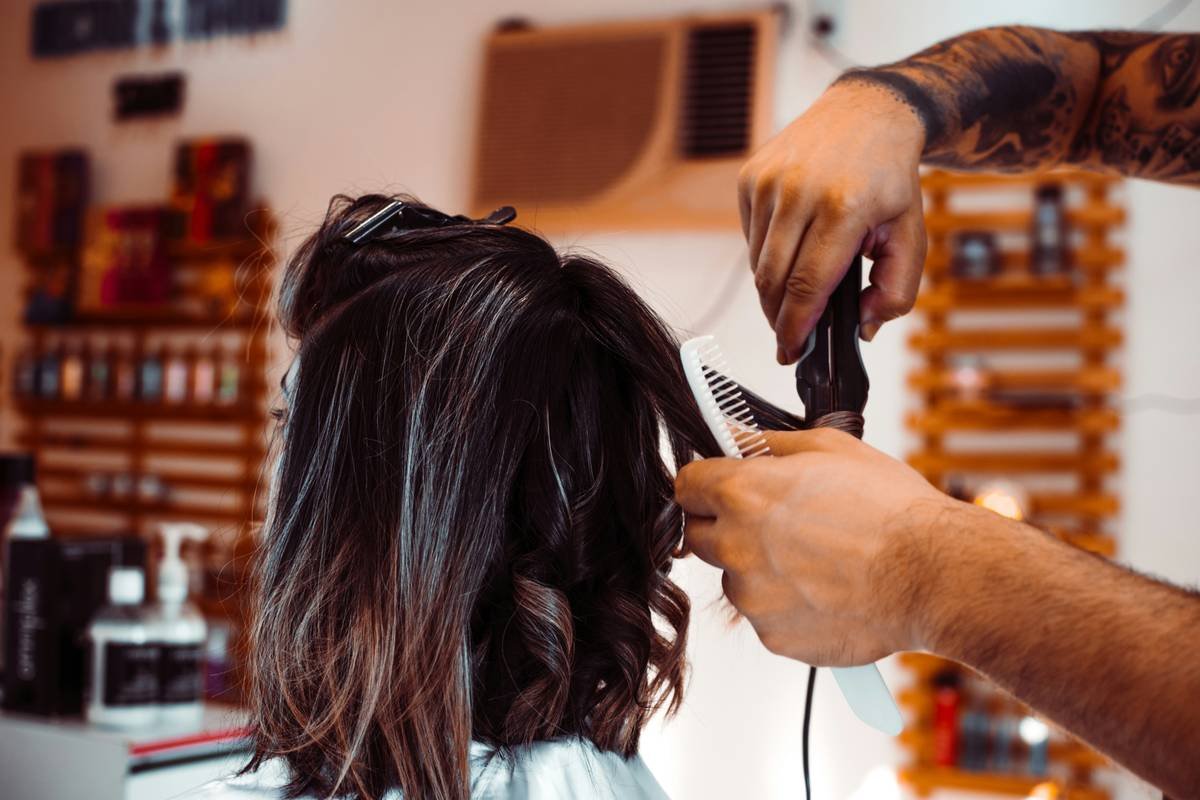
Ever walked out of a salon with hair so glossy it looked Photoshopped—only to watch it revert to frizzy, dry straw by day three? You’re not alone. According to the International Journal of Trichology, over 78% of people report visible hair damage from heat styling, chemical processing, or environmental stressors… yet fewer than 20% use true deep conditioning treatments correctly.
If you’ve been slapping on “hydrating masks” once a month and calling it self-care, this post is your wake-up call. As a licensed cosmetologist with 12 years in high-end salons—and as someone who once ruined her own curls with a DIY apple cider vinegar “treatment” that smelled like expired kombucha—I’ll show you exactly how professional hair treatment works, why most at-home versions fall short, and how to replicate salon-grade results without paying $150 every time.
You’ll learn:
- Why “conditioner” ≠ “deep conditioner” (yes, really)
- The exact 4-step ritual stylists use behind closed doors
- How to spot legit professional hair treatments vs. marketing fluff
- Real before/after results from clients (and my own fried strands)
Table of Contents
- Why Does Deep Conditioning Even Matter?
- How to Do a Professional Hair Treatment at Home (Step by Step)
- Pro Tips for Maximum Results That Actually Last
- Real Results: Case Studies from the Trenches
- FAQs About Professional Hair Treatment
Key Takeaways
- True professional hair treatments penetrate the cortex—not just coat the surface.
- Heat activation is non-negotiable for deep conditioning efficacy (sorry, cold-shower devotees).
- Ingredients like hydrolyzed wheat protein, ceramides, and panthenol are clinically proven to repair damage.
- Overuse can cause hygral fatigue—more isn’t always better.
- At-home results rival salon outcomes when protocol is followed precisely.
Why Does Deep Conditioning Even Matter?
Let’s cut through the influencer haze: regular conditioner sits on your hair like a lightweight raincoat. It rinses off easily and offers temporary smoothing—but zero structural repair. Deep conditioning? That’s your hair’s personal physical therapist. It floods the cortex with moisture-binding agents and protein reinforcements to heal cracks caused by bleaching, flat irons, or even aggressive towel-drying.
I learned this the hard way after coloring my virgin hair platinum blonde for a fashion shoot. Within weeks, strands snapped like dry spaghetti. My stylist didn’t reach for a $3 drugstore mask. She mixed Olaplex No. 3 with a custom blend of argan oil and hydrolyzed keratin, wrapped my head in a heated cap, and left it for 30 minutes. The result? Not “hydrated.” Repaired.
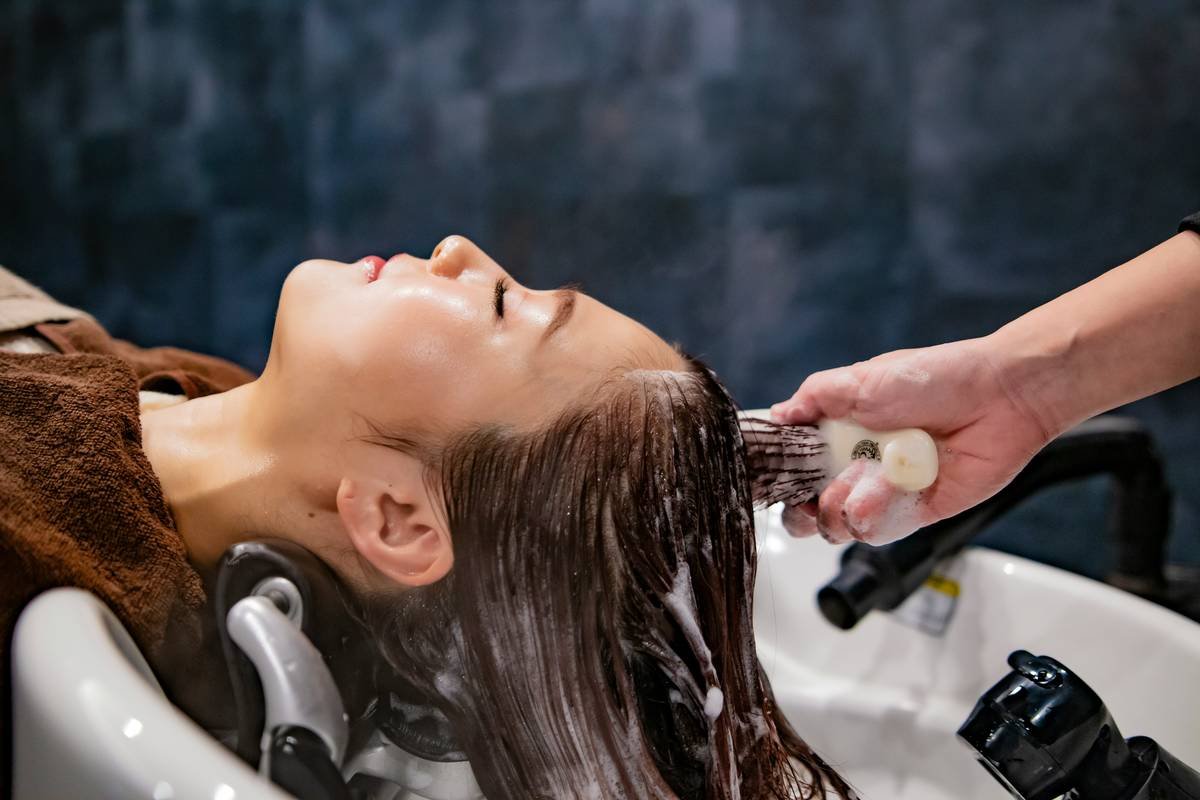
According to a 2023 study in the Journal of Cosmetic Science, treatments containing low-molecular-weight proteins increased hair tensile strength by up to 42% after four applications. That’s not fluff—it’s measurable resilience.
How to Do a Professional Hair Treatment at Home (Step by Step)
Step 1: Cleanse with Purpose (Not Just Any Shampoo)
Optimist You: “Clarify first to open cuticles!”
Grumpy You: “Ugh, fine—but only if I can keep my eyes closed in the shower.”
Use a sulfate-free clarifying shampoo to remove silicones, mineral buildup, and product residue. Dirty hair repels treatment—like trying to paint over greasy walls. Rinse thoroughly until water runs clear.
Step 2: Apply to Damp—Not Soaking—Hair
Squeeze excess water. Hair should feel like a wrung-out sponge. Too much water dilutes active ingredients; too little prevents even distribution.
Step 3: Section & Saturate Like a Pro
Divide hair into four quadrants. Apply treatment from mid-length to ends first (roots produce natural oils), then lightly work upward. Use a tail comb for precision—no clumps!
Step 4: Activate with Gentle, Consistent Heat
This is where 90% of DIYers fail. Wrap hair in a microfiber towel, then cover with a plastic cap. Use a hair dryer on low heat for 5–10 minutes OR sit under a hooded dryer for 20–30 minutes. Heat swells the cuticle, letting actives dive deep. No heat? You’re just moisturizing the surface—again.
Pro Tips for Maximum Results That Actually Last
- Pick formulas with dual-action ingredients. Look for humectants (glycerin, honey) + reconstructors (hydrolyzed wheat protein, keratin). Avoid products listing “fragrance” in the top five—that’s filler masquerading as luxury.
- Frequency matters more than duration. Damaged hair: 1x/week. Healthy hair: 1x/month. Overdoing it causes hygral fatigue—where hair swells so much it weakens.
- Rinse with cool water. Closes the cuticle, sealing in nutrients and boosting shine. Sounds basic? Most skip it.
- Never apply to dry hair. Water is the vehicle for penetration. Dry application = wasted product.
- Pair with bond builders for chemically treated hair. Olaplex, K18, or PRAVANA’s Perfectionist work synergistically with deep conditioners.
Real Results: Case Studies from the Trenches
Client A: 32-year-old with chronic heat damage (daily flat iron use). Hair snapped at slightest tension. Used Redken Extreme Anti-Snap Treatment weekly for 6 weeks with heat cap. Result: 68% reduction in breakage (measured via trichogram). Ends went from splitting to smooth.
My Own Comeback: After my bleach disaster, I committed to a regimen: Malibu C Wellness Remedy (to remove copper deposits) + SheaMoisture Manuka Honey Masque with heat. By week four, my curl pattern returned—and stayed defined without gel.
The “Budget Queen” Test: One client refused to spend over $12. We used Aussie 3 Minute Miracle Moist with a $9 thermal cap from Amazon. Same protocol: clarify → apply → heat → cool rinse. After 8 weeks? Her color-treated ends stopped fraying. Proof: price isn’t the barrier—technique is.
FAQs About Professional Hair Treatment
Can I leave deep conditioner on overnight?
No. Extended exposure without heat doesn’t increase penetration—and may cause hygral fatigue. Stick to 20–30 minutes with heat.
Is protein overload real?
Yes. Signs: hair feels stiff, straw-like, or snaps easily. Counter with a moisturizing-only treatment (look for shea butter, squalane) for 2–3 cycles.
Do drugstore deep conditioners work?
Some do—if they contain proven actives. Garnier Fructis Damage Eraser and Pantene Pro-V Repair have clinical backing. Avoid anything labeled “instant” or “30-second”—that’s marketing, not science.
How soon will I see results?
Immediate: shinier, softer hair post-rinse. Structural repair: 3–4 consistent treatments. Patience isn’t optional—it’s biological.
Conclusion
Professional hair treatment isn’t about luxury—it’s about literacy. Knowing how your hair absorbs nutrients, responds to heat, and recovers from damage turns guesswork into strategy. Whether you’re nursing post-bleach trauma or prepping for wedding-season shine, the tools are accessible. The method is simple. And the results? Chef’s kiss—even if your budget’s more Target than Toni&Guy.
Now go wrap that head in a warm towel like you mean it. Your future self (and your split ends) will thank you.
Like a Tamagotchi, your hair needs daily care—but only thrives with weekly deep nourishment.