Your hair screams for moisture—but no matter how many conditioners you slather on, it stays dry, frizzy, and snaps like old rubber bands. That’s because most “hydrating” products barely scratch the surface. Here’s the fix: an intensive hair care mask applied with surgical precision—not hope.
Why Your Current Routine Is Failing Miserably
Shampoo strips natural oils. Conditioner sits on top like cheap paint—it doesn’t penetrate. You’re treating symptoms, not structure. And heat styling? It’s slow-motion arson on your strands.
Most drugstore masks are 80% water and silicones that coat hair temporarily—then vanish in one wash. You get shine without substance. Illusion without repair.
Real damage lives in the cortex. If your treatment doesn’t reach that deep, you’re wasting time—and money.
How to Apply an Intensive Hair Care Mask Like a Pro
Forget “leave it on for 5 minutes.” That’s spa-day theater. Real restoration demands strategy.
Step 1: Cleanse Without Compromise
Use a sulfate-free clarifying shampoo—but only if buildup exists. Otherwise, skip shampoo entirely. Wet hair with lukewarm water. Hot water opens cuticles too aggressively, leading to frizz later.
Step 2: Prime for Penetration
Gently towel-dry until damp—not dripping. Squeeze out excess water. Why? Water blocks oil-based actives from entering the hair shaft. Less water = deeper absorption.

Step 3: Layer with Purpose
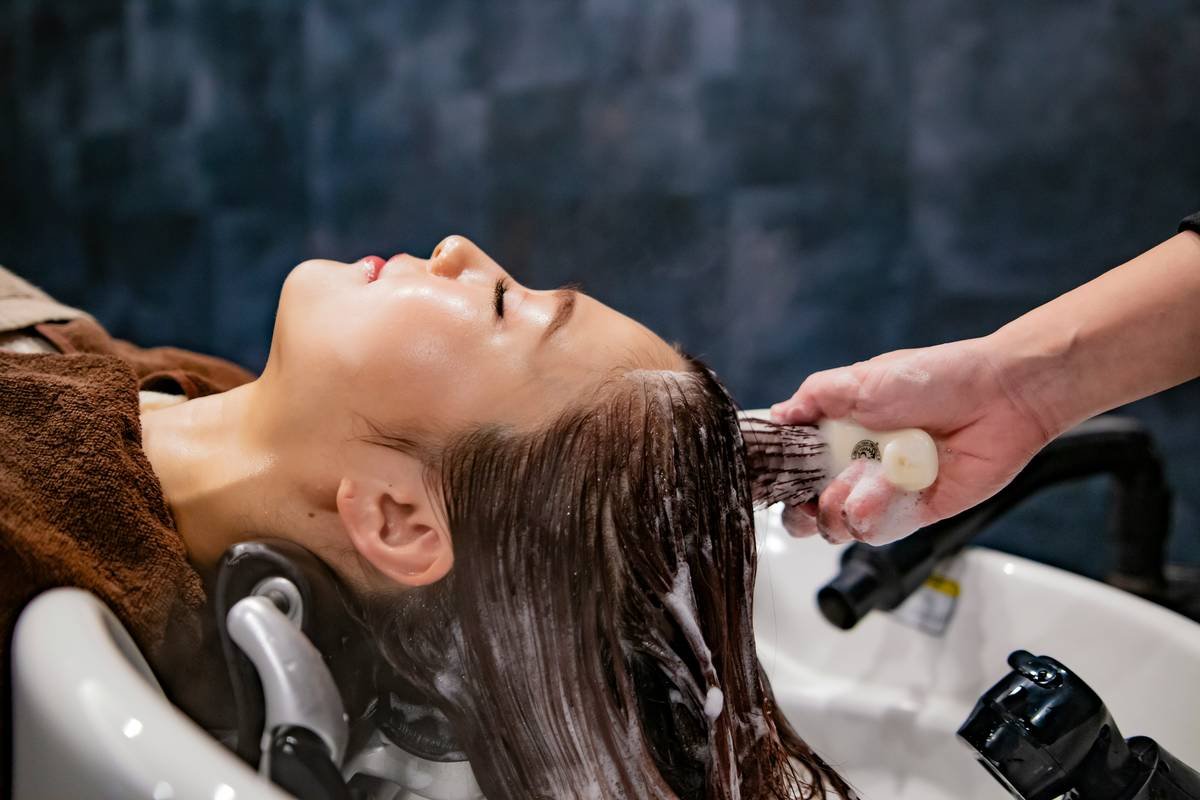
Apply mask from mid-length to ends first—roots last (if at all). Over-moisturizing roots causes limpness and oiliness. Use fingertips, not palms, for targeted distribution.
Step 4: Trap Heat—The Game-Changer
Cover hair with a shower cap. Then wrap a warm (not hot) towel around it—or use a hooded dryer on low for 15–20 minutes. Heat lifts the cuticle just enough for lipids and proteins to slip inside. This isn’t optional. It’s non-negotiable.
Step 5: Rinse Cold, Seal Tight
Finish with a cold water rinse. It slams the cuticle shut, locking nutrients in and reflecting light for instant gloss.
| Treatment Type | Active Penetration Depth | Duration of Effect | Average Cost per Use |
|---|---|---|---|
| Daily conditioner | Surface only | 1 wash | $0.10 |
| Store-bought hair mask | Upper cortex (partial) | 2–3 washes | $0.75 |
| DIY intensive hair care mask + heat | Deep cortex | 5+ washes | $0.40 |
| Salon protein treatment | Full cortex | 6–8 weeks | $15.00 |
The Industry Secret: Protein-Moisture Balance Is a Myth (Sort Of)
Brands scream “protein-moisture balance!” like it’s gospel. But here’s what they won’t tell you: your hair doesn’t need equal parts. It needs sequenced care.
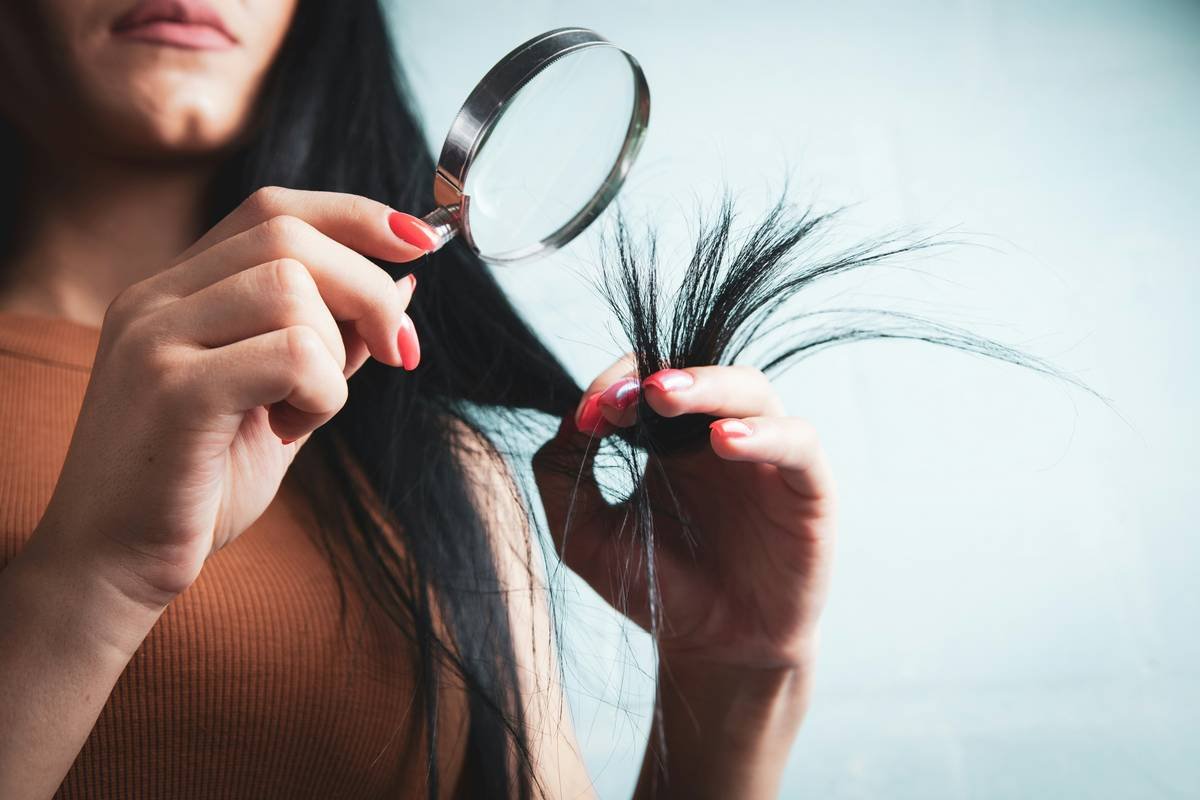
Over-processed hair? It’s porous—sucked dry of keratin. Slathering on shea butter alone makes it swell, then shatter. You need hydrolyzed protein first to rebuild the internal scaffold—then seal with emollients like avocado oil or ceramides.
But apply protein weekly? Disaster. Hair turns stiff, straw-like. The sweet spot: protein every 3–4 weeks, moisture masks weekly. Rotate. Observe. Adjust. Your hair’s needs shift with seasons, dyes, even humidity.
And never trust a mask labeled “for all hair types.” That’s marketing cowardice. Fine hair drowns in heavy butters; coarse hair laughs at lightweight serums. Match the formula to your strand diameter—not your zodiac sign.
Frequently Asked Questions
How often should I use an intensive hair care mask?
Once a week for dry or damaged hair. Every two weeks for normal hair. Never more than twice weekly—over-moisturizing weakens elasticity.
Can I leave an intensive hair care mask on overnight?
Rarely. Most formulas oxidize or attract dust/bacteria. Exceptions: oil-based masks (like coconut or olive oil). But even then, cover with a satin bonnet—and rinse thoroughly in the morning.
Are store-bought masks better than DIY?
Not necessarily. Store versions offer consistency and preservatives. DIY lets you control actives—but lacks pH stabilizers. For best results, blend both: use a commercial base, then boost with 1 tsp raw honey or aloe gel.