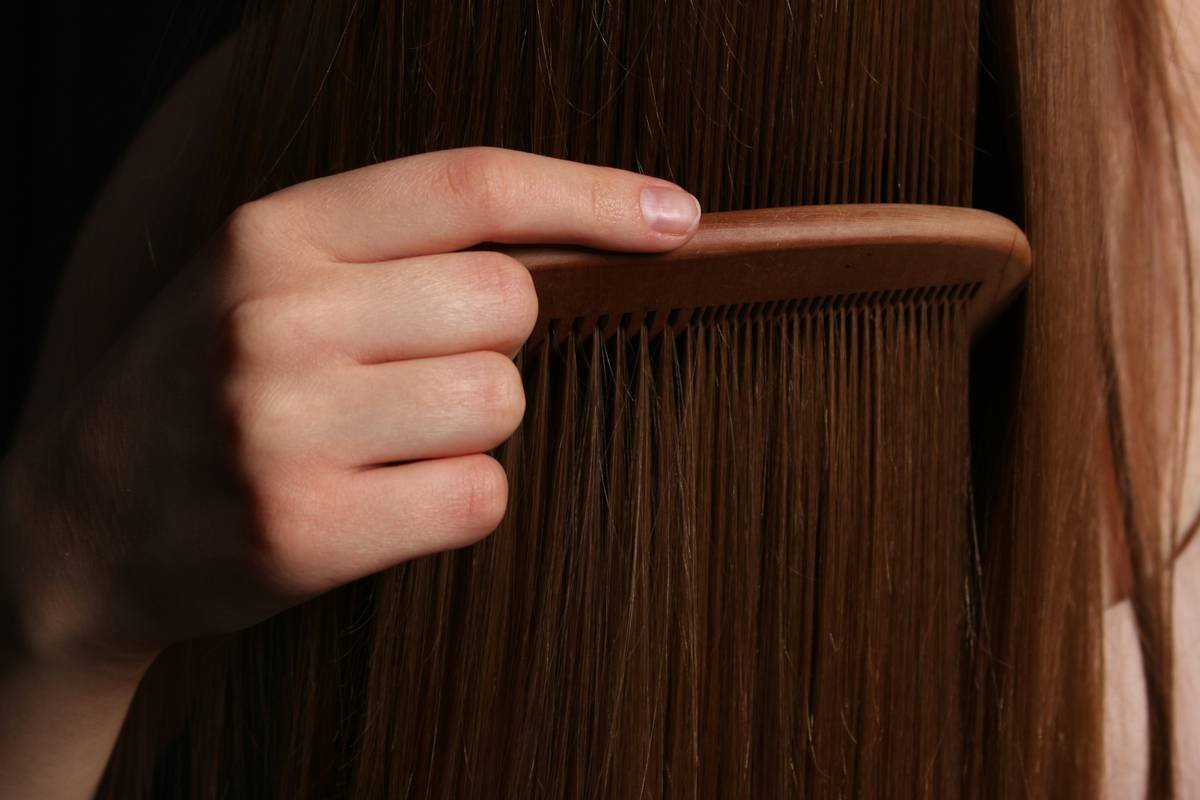
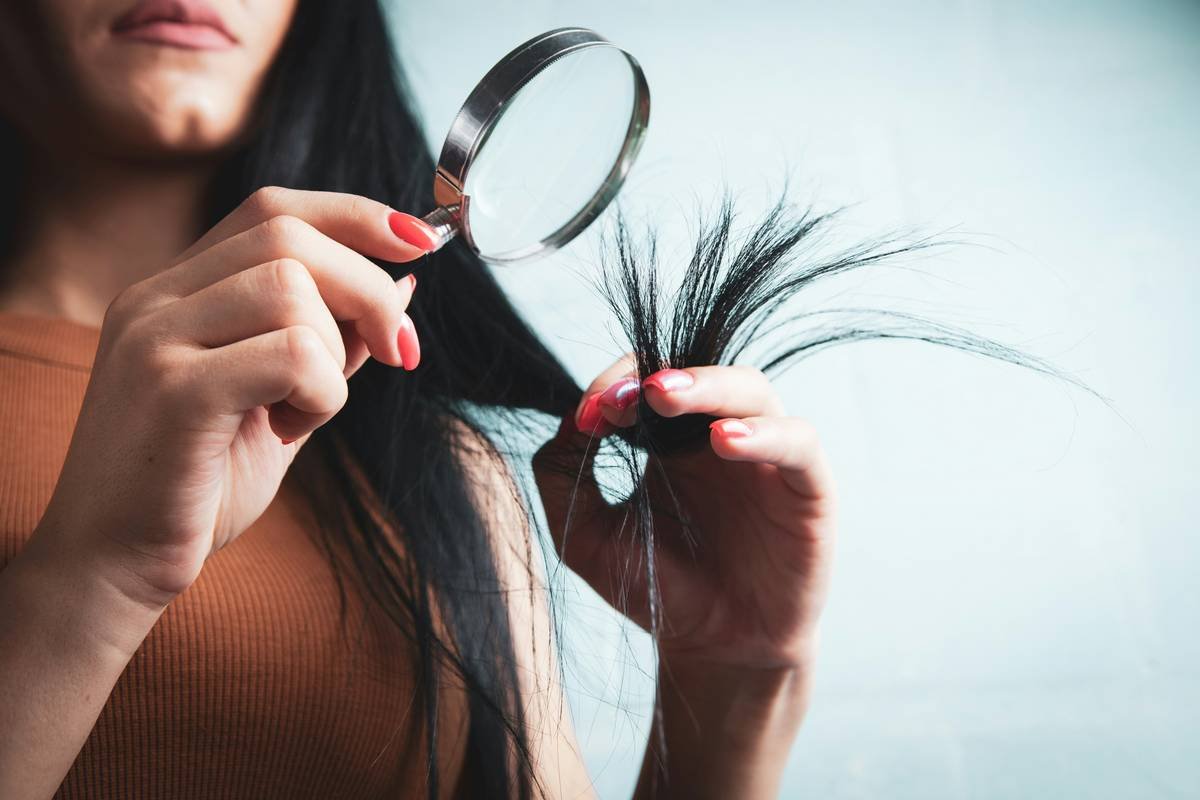
You buy the “luxury” hair recovery mask. You follow the instructions to a T. But weeks later, your ends still split like gossip at a salon blow-dry station. Frustrating? Absolutely. Here’s the hard truth: most hair recovery masks are glorified conditioners in fancy jars—packed with silicones that coat but never heal. Real repair demands more than surface-level slip.
The Core Problem: Why Standard Hair Recovery Masks Fail
Most formulas prioritize feel over function. That silky glide you love? It’s often dimethicone masking damage—not reversing it. And if your strands have undergone heat abuse, chemical processing, or environmental stress (hello, UV rays and hard water), superficial moisture won’t cut it.
Bond repair requires penetration. Not just hydration—but actual reconstruction of the hair’s internal architecture. Yet 80% of mass-market “recovery” masks skip protein-lipid synergy entirely. They’re designed to sell on texture, not results.
Your Step-by-Step Guide to True Hair Recovery
Forget guesswork. This protocol targets cortex repair, not just cuticle camouflage.
Step 1: Pre-Wash Clarify (Yes, Really)
Residue blocks active ingredients. Use a chelating shampoo once weekly to strip mineral buildup—especially if you live in a hard water zone. Skip this, and your hair recovery mask bounces right off.
Step 2: Apply to Damp—Not Soaking—Hair
Excess water dilutes actives. Gently towel-dry until hair feels damp but not dripping. Then section and apply from mid-length to ends. Focus where damage lives.
Step 3: Trap Heat for Penetration
Cover with a shower cap. Wrap a warm (not hot) towel around it for 15 minutes. Heat opens the cuticle just enough—without causing further denaturation.
Step 4: Rinse with Cold Water
Seals the cuticle shut. Locks in everything you just delivered. No lukewarm compromises.
| Treatment Type | Key Actives | Cost per Use | Visible Results Timeline |
|---|---|---|---|
| Drugstore “Repair” Mask | Silicones, glycerin | $0.75 | None (temporary smoothness only) |
| Salon Bond Builder | Maleic acid, cysteine | $8–$12 | 1–2 uses (real strength restoration) |
| DYI Hair Recovery Mask | Honey, avocado, hydrolyzed wheat protein* | $1.20 | 3–4 weeks (mild improvement) |
*Note: DIY lacks stable bond-repair molecules—fine for maintenance, useless for severe damage.

The Industry Secret Nobody Talks About
Here’s what R&D labs won’t admit: most “bond-building” claims are legally unregulated. A product can say “repairs bonds” while containing zero disulfide-reforming chemistry. The real players? Look for actual thiol-based actives like cysteamine HCl or patented complexes (e.g., K18Peptide™). These don’t just fill gaps—they rebuild broken keratin bridges at the molecular level.
And timing matters more than frequency. One properly executed hair recovery mask every 10–14 days outperforms three rushed applications weekly. Overuse swells the cortex, leading to hygral fatigue—yes, you can drown your hair in “moisture.”
Frequently Asked Questions
Can a hair recovery mask fix split ends?
No. Split ends are physical fractures. Only cutting removes them. A true mask prevents new splits by strengthening the shaft—but can’t glue severed tips back together.
How long should I leave on a hair recovery mask?
15–20 minutes under gentle heat is ideal. Longer isn’t better—extended exposure can leach natural lipids, especially with protein-heavy formulas.
Is a hair recovery mask the same as a deep conditioner?
Not even close. Deep conditioners moisturize. Recovery masks reconstruct. If it doesn’t list bond-repairing amino acids or peptides, it’s just a rich conditioner.