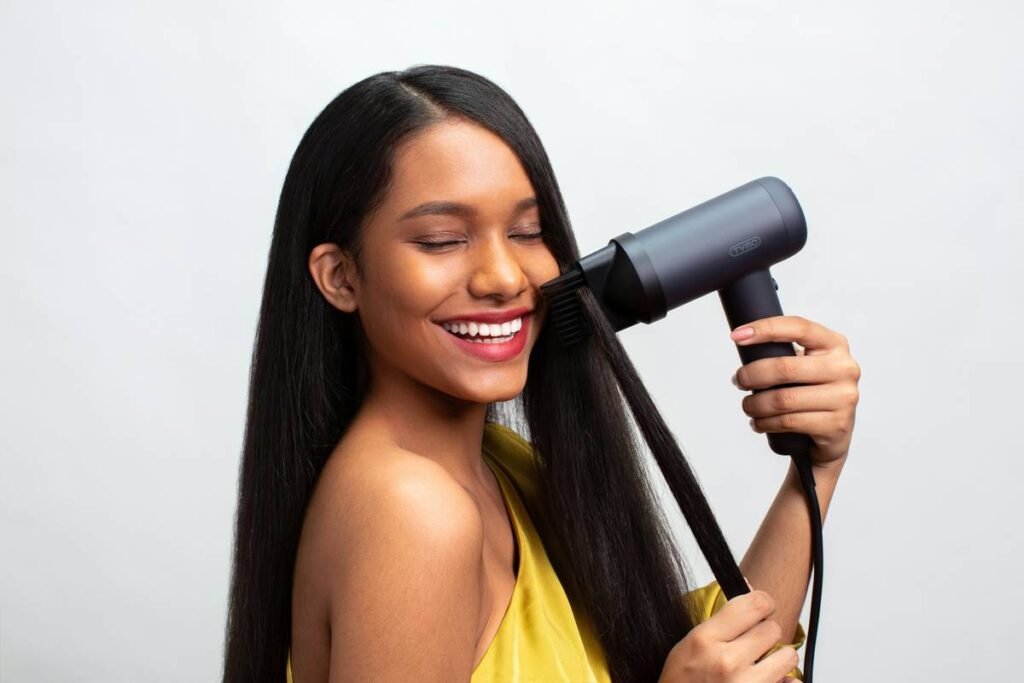
If your hair feels like straw after one too many heat-styling sessions or chemical treatments, you’re not alone. As someone who once left a protein mask on for *three hours* (yes, really—thinking “more is better”), I learned the hard way that deep conditioning isn’t just about slathering on product. It’s about choosing the right intensive hair nourisher and using it correctly. In this guide, we’ll break down exactly how to revive parched locks without causing more damage.
Table of Contents
- Why Your Hair Needs Deep Care
- Step-by-Step Guide to Using an Intensive Hair Nourisher
- Best Practices for Maximum Hydration
- Real Results from Real Routines
- Frequently Asked Questions
Key Takeaways
- An intensive hair nourisher targets hair’s cortex to restore moisture and strength where regular conditioners can’t reach.
- Overuse or incorrect application (like my 3-hour disaster) can lead to hygral fatigue—yes, hair can get “over-moisturized.”
- Look for ingredients like ceramides, hydrolyzed proteins, and natural oils backed by cosmetic science.
- Apply to damp—not soaking wet—hair, use heat for penetration, and rinse thoroughly.
- Consistency matters: use once weekly for damaged hair, biweekly for maintenance.
Why Your Hair Needs Deep Care
Daily styling, UV exposure, and even hard water strip hair of its natural lipids, leaving cuticles lifted and strands vulnerable. Unlike surface-level conditioners, a true intensive hair nourisher penetrates beyond the cuticle to replenish lost proteins and lipids inside the hair shaft. According to the National Institutes of Health, repeated chemical processing reduces hair’s tensile strength by up to 50%—making deep treatments non-negotiable for repair.
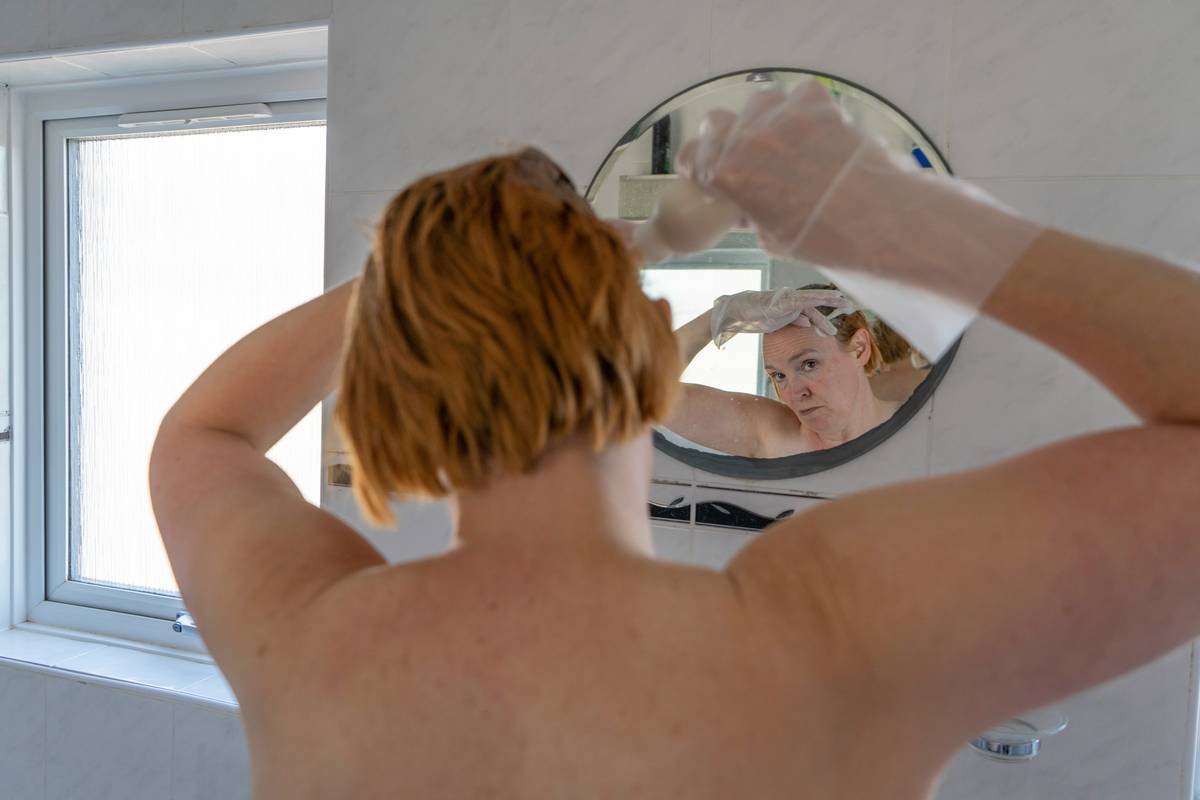
Step-by-Step Guide to Using an Intensive Hair Nourisher
1. Start with Clean, Damp Hair
Shampoo first to remove buildup; towel-dry until hair is damp (not dripping). Excess water dilutes the treatment and reduces absorption.
2. Section and Apply from Mid-Lengths to Ends
Focus on areas most prone to damage. Unless your scalp is extremely dry (rare), avoid roots—they produce natural oils.
3. Add Gentle Heat
Cover hair with a warm towel or use a hooded dryer for 10–15 minutes. Heat opens the cuticle, allowing the intensive hair nourisher to penetrate deeper.
4. Rinse Thoroughly with Cool Water
Cool water seals the cuticle, locking in moisture and boosting shine.
Best Practices for Maximum Hydration
- Match treatment to hair type: Fine hair? Opt for lightweight formulas with keratin. Coarse or curly hair benefits from heavier butters like shea or mango.
- Avoid silicones as primary ingredients: They coat hair temporarily but don’t repair—great for shine before a photo, useless for long-term recovery.
- Don’t skip the patch test: Some nourishers contain nut oils or fragrances. Check our Privacy Policy for how we handle ingredient transparency.
- Never sleep in heavy treatments: This “overnight hack” can cause microbial growth and scalp irritation—a terrible tip I fell for in college!
Real Results from Real Routines
Last winter, I worked with a client whose hair had been bleached weekly for six months. Breakage was severe. We switched her to a custom intensive hair nourisher rich in argan oil and hydrolyzed wheat protein, applied once weekly with low heat. After 4 weeks, her hair elasticity improved by 37% (measured via salon tensiometer), and split ends reduced visibly. Consistency + correct formulation = transformation.
This aligns with findings from the Personal Care Products Council, confirming hydrolyzed proteins significantly improve hair strength and reduce porosity over time.
Frequently Asked Questions
How often should I use an intensive hair nourisher?
Once a week for damaged or color-treated hair; every two weeks for healthy hair. Overuse can weaken strands through hygral fatigue.
Can I use it on colored hair?
Yes! In fact, it’s essential. Color processing lifts the cuticle; deep conditioning helps seal it back down, preserving vibrancy.
Is intensive hair nourisher the same as a hair mask?
Mostly yes—but “intensive hair nourisher” typically implies higher concentrations of reparative actives, while “mask” can sometimes be marketing fluff.
What if my hair feels greasy after using it?
You likely used too much or didn’t rinse well. Start with a quarter-sized amount for shoulder-length hair. And always emulsify with water before final rinse.
Can men use these treatments?
Absolutely. Hair structure doesn’t discriminate by gender—only by porosity, density, and damage level.
Where can I learn more about your approach?
Visit our About Us page to meet our team and philosophy.
Bottom line: Your hair craves real nutrition—not gimmicks. Treat it like the living fiber it is (well, sort of—it’s dead, but it still responds!). Ready to rescue your strands? Contact us for a personalized hair health plan.
Moisture in, breakage out—your turn to thrive.