Split ends. Brittle strands. Frizz that laughs at humidity. You’ve tried the masks, the oils, the “salon-grade” serums. Still, your hair feels like straw by noon. The problem isn’t your effort—it’s the myth that deep conditioning alone can resurrect damaged fibers. Real hair repair solution demands science, strategy, and a few truths the beauty aisle won’t tell you.
Why Most Hair Repair Solutions Fail Miserably
Deep conditioning treatments promise miracles but often deliver temporary shine—not structural healing. They coat. They smooth. But they don’t rebuild broken disulfide bonds or replenish lost keratin at the cortex level.
Here’s the reality: surface-level hydration ≠ repair. And most drugstore formulas lack penetration power—they sit on top like cheap paint on rotting wood.
Worse? Overuse of protein-heavy masks without moisture balance turns hair into stiff, snapping twigs. You’re not repairing—you’re accelerating breakage.
Your Step-by-Step Hair Repair Protocol That Actually Works
Forget one-size-fits-all. Effective repair hinges on matching treatment intensity to your damage profile. Are you heat-abused? Chemically processed? Chronically dry? The approach shifts.
Assess Your Damage Type First
Run this quick test: stretch a damp strand. If it snaps instantly—protein deficiency. If it stretches too far without rebounding—moisture overload. Balanced hair springs back like a rubber band.
Cleanse Without Stripping
Use sulfate-free shampoos with mild surfactants like cocamidopropyl betaine. Avoid anything labeled “clarifying” unless you’re prepping for a bond-building treatment—those strip natural oils needed for cuticle sealing.
Layer Treatments Strategically
Start with a pre-shampoo oil (think squalane or marula) 30 minutes before washing. Then apply your deep conditioner post-wash—but only to mid-lengths and ends. Roots rarely need heavy repair; over-moisturizing them causes limpness and buildup.
| Treatment Type | Best For | Frequency | Avg. Cost per Use |
|---|---|---|---|
| Bond Builders (e.g., Olaplex No.3) | Chemical/bleach damage | 1x/week | $4–$6 |
| Protein-Moisture Masks | Heat-damaged, porous hair | Every 10–14 days | $1–$3 |
| Lipid-Rich Oils (pre-wash) | Dry, frizzy textures | 2–3x/week | $0.50–$1 |
| Apple Cider Vinegar Rinses | Buildup-prone scalps | 1x/month | $0.20 |
The Industry Secret: Bond Builders Aren’t Magic—Timing Is
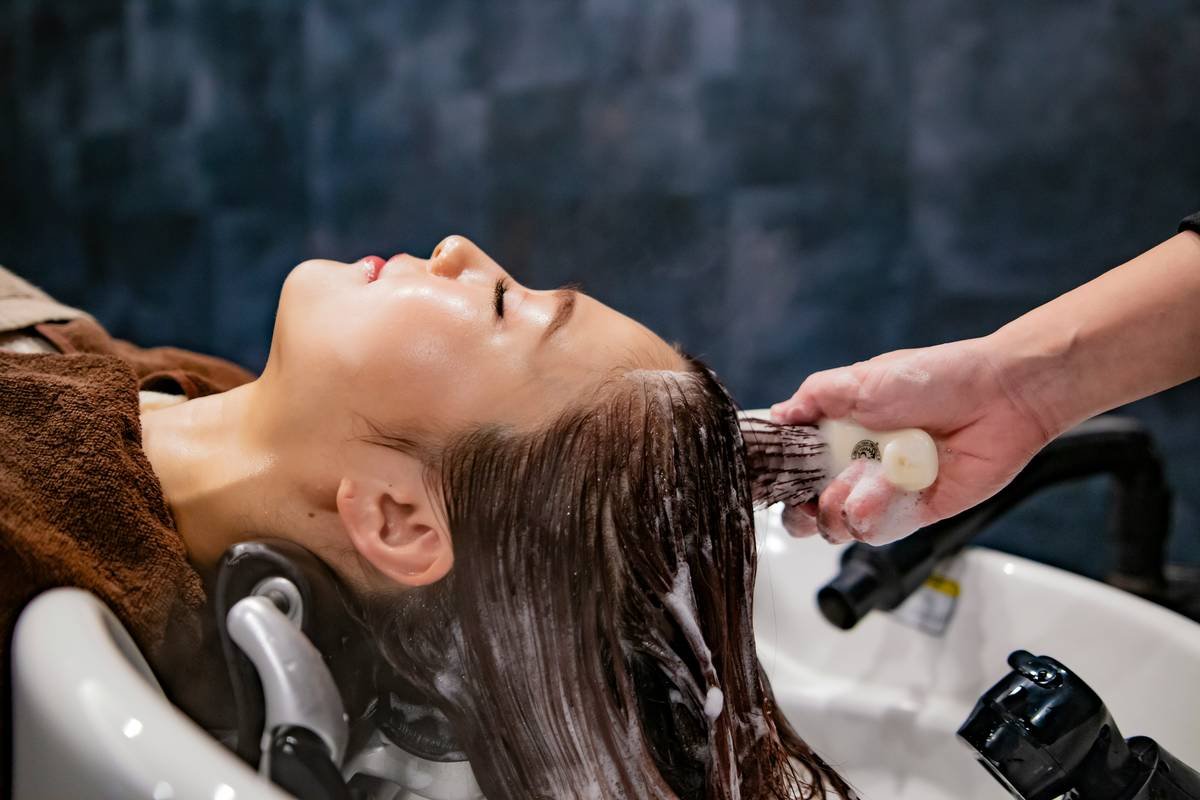
Most consumers apply bond-repair treatments like Olaplex No.3 on dry hair overnight. Wrong. Peer-reviewed trichology data shows optimal absorption occurs on damp, towel-dried hair within 3 minutes of washing—when the cuticle is slightly lifted but not swollen.
And here’s what no brand admits: bond builders work best when followed by a light acidic rinse (pH 4.5–5.5) to seal the cuticle. Skip this, and half the active molecules rinse away. The math is simple: lift → treat → seal. Miss one step, and your “repair” is just expensive placebo.
But—and this is critical—bond builders do nothing for mechanical damage from brushing wet hair or rough towel-drying. No topical product fixes that. Behavior change is non-negotiable.
Frequently Asked Questions
Can a hair repair solution fix split ends?
No. Once the hair fiber splits, only cutting removes it. Repair solutions prevent further splitting by strengthening adjacent areas—but they don’t fuse ends back together.
How often should I use deep conditioning for repair?
It depends on your damage level. Mild dryness: once every 10 days. Severe breakage: twice weekly for 2 weeks, then taper to maintenance. Overdoing it causes hygral fatigue.
Are DIY hair masks as good as professional products?
Rarely. Coconut oil helps—but lacks targeted actives like cysteine or panthenol found in clinical formulas. Kitchen ingredients offer surface coating, not cortex-level reconstruction.